
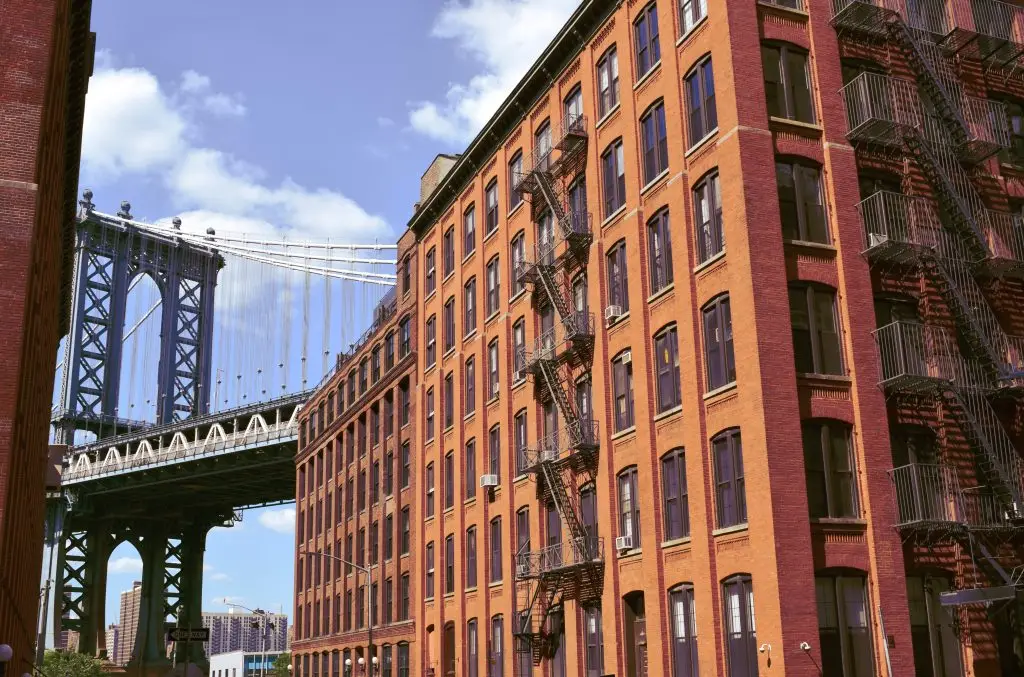
Clean water is the silent backbone of urban stability. In a bustling borough like Brooklyn, where century-old brownstones stand alongside sleek, modern high-rises, the infrastructure carrying our water is as diverse as the population itself. While municipal water treatment systems work tirelessly to ensure safety at the source, the journey from the water main to a kitchen faucet or commercial boiler is long and complex.
To truly understand what is coming out of the tap, building owners, property managers, and residents are increasingly moving beyond basic screening. Instead, they are turning to comprehensive potability panels. These sophisticated testing suites add profound depth to local water analysis programs, transforming how Brooklyn approaches environmental health and asset protection.
The Evolution of Urban Water Testing
Historically, water testing in urban environments was a reactive measure. A resident would notice an unusual rust color, an off-putting odor, or a strange metallic taste, prompting a basic test for a single suspected contaminant. However, relying solely on sensory cues is a flawed strategy. Many of the most persistent and hazardous water quality issues—such as lead leached from old plumbing fixtures or microscopic bacterial colonies—are entirely invisible, tasteless, and odorless.
As municipal regulations tighten and public awareness grows, water analysis has evolved from simple spot-checks into proactive risk management. Modern testing programs rely on structured potability panels: bundled, laboratory-grade assessments that analyze a broad spectrum of physical, chemical, and microbiological parameters simultaneously. By looking at the water supply through a holistic lens, these panels provide a definitive baseline of water health, ensuring compliance with local safety standards and offering peace of mind to the community.
Anatomy of a Potability Panel: What Are We Looking For?
A standard water test might tell you if your water contains a high concentration of iron, but a potability panel dives deeper, mapping out the chemical and biological ecosystem within a building’s pipes. When local experts conduct an analysis, they typically categorize the evaluation into three core areas:
1. Heavy Metals and Chemical Contaminants
In older urban areas, the presence of heavy metals remains a primary concern. Potability panels meticulously screen for substances like lead, copper, and iron. Lead exposure is a well-documented health risk, particularly for developing children, and often originates from aging service lines or lead solder inside older structures.
Beyond heavy metals, panels evaluate chemical compounds such as nitrates, nitrites, and volatile organic compounds (VOCs). These elements can infiltrate the water supply through micro-fissures in municipal infrastructure or localized urban runoff, making routine chemical screening a vital component of any robust water management plan.
2. Microbiological Profiles
Biological safety is non-negotiable. Potability panels screen for Total Coliform and E. coli, which serve as primary indicators of fecal contamination or structural breaches in the water system. Additionally, for commercial properties and residential complexes with complex cooling towers or centralized hot water systems, specialized testing for Legionella bacteria is critical. Understanding the microbial landscape of a building’s water helps prevent widespread illnesses and ensures that disinfection systems are operating effectively.
3. Physical Parameters and Water Chemistry
The overall chemistry of water influences both health and infrastructure longevity. Parameters such as pH, turbidity, total dissolved solids (TDS), and hardness are central to potability panels.
- pH Levels: Water that is too acidic can be corrosive, leaching metals from plumbing into the drinking supply.
- Hardness: High levels of calcium and magnesium cause scale buildup in pipes, reducing the efficiency of water heaters and shortening the lifespan of expensive appliances.
- Turbidity: Cloudiness in the water can shield microorganisms from disinfection processes, serving as an early warning sign of filtration failures.
Why Brooklyn Infrastructure Demands Deeper Analysis
The architectural landscape of Brooklyn presents unique challenges for water quality management. The borough is famous for its historic charm, but that charm comes with aging internal plumbing. From the historic brownstones of Park Slope and Brooklyn Heights to the converted industrial lofts of Williamsburg, thousands of properties still rely on legacy piping systems.
When municipal water enters a property, it is generally clean and meets strict federal standards enforced by agencies like the Environmental Protection Agency (EPA). However, once that water enters a private building, the property owner becomes responsible for maintaining its quality. Aging copper pipes, brass fixtures containing lead, and old galvanized iron mains can rapidly degrade water quality before it ever reaches a glass.
Conversely, Brooklyn’s rapid modern development brings its own set of water considerations. New high-rise residential towers and commercial hubs rely on complex, large-scale water distribution systems. These large buildings often feature booster pumps, extensive storage tanks, and intricate networks of risers. If water sits stagnant in these large systems for extended periods—such as in partially occupied buildings or during seasonal transitions—it creates prime breeding grounds for biofilms and bacterial growth.
Whether managing a landmarked historic property or a cutting-edge commercial development, implementing structured water testing services allows stakeholders to pinpoint vulnerabilities specific to their plumbing architecture.
Empowering Property Owners and Managers
For those tasked with overseeing residential or commercial real estate, data is the ultimate tool for risk mitigation. Implementing comprehensive potability panels within standard building maintenance schedules offers several distinct advantages:
- Liability Reduction: Regular, documented water analysis provides clear proof that a landlord or building manager is maintaining a safe, habitable environment for tenants. Should a water quality issue arise, having a historical log of clean potability reports protects property management from legal vulnerabilities.
- Asset Protection: By monitoring parameters like pH, hardness, and corrosivity, engineers can anticipate and prevent scale buildup or pipe corrosion. Addressing these chemical imbalances early extends the operational life of boilers, cooling towers, and commercial appliances, saving thousands of dollars in premature replacement costs.
- Regulatory Compliance: New York City has strict guidelines regarding water safety, particularly concerning lead monitoring in educational spaces and Legionella prevention in commercial cooling systems. Utilizing a comprehensive panel ensures that all local and state compliance benchmarks are easily met.
Property managers looking to establish a baseline or address recurring resident complaints can review tailored solutions for Brooklyn buildings to design a testing cadence that matches their specific structural footprint.
Protecting Public Health in Residential Communities
At the consumer level, the value of a potability panel centers entirely on health, safety, and transparency. Families want to know that the water their children drink, bathe in, and cook with is free from hidden hazards.
When residents understand the specific water quality issues that commonly impact urban environments, they can make informed decisions regarding point-of-use filtration systems. Not all water filters are created equal; a simple pitcher filter might improve taste by removing chlorine, but it may completely fail to remove dissolved lead or volatile chemicals. A detailed potability panel reveals exactly what needs to be filtered out, allowing homeowners to invest in the precise treatment technology required for their specific tap water.
Designing a Local Water Analysis Program
A successful water testing program is not a one-time event; it is an ongoing practice of environmental stewardship. To build an effective program, property owners should consider the following steps:
- Establish a Baseline: Conduct a comprehensive potability panel during a period of normal building operations to understand the default status of the water supply.
- Identify Risk Factors: Assess the age of the building, the material of the service lines, and the specific needs of the occupants (e.g., medical facilities, schools, or multi-family housing).
- Determine Frequency: While residential homes may only require testing every few years or upon a change of occupancy, commercial properties and large residential complexes should run panels annually or semi-annually to track seasonal variations in water chemistry and biological activity.
- Partner with Local Experts: Water chemistry can vary from neighborhood to neighborhood based on localized water mains and infrastructure age. Working with specialists who understand the specific nuances of the local grid ensures accurate sampling protocols and actionable data interpretation.
Conclusion: A Clearer Future for Brooklyn’s Water
As urban environments grow denser and plumbing infrastructure continues to age, we cannot afford to take water quality for granted. Basic testing only scratches the surface, frequently leaving critical questions unanswered. By integrating detailed potability panels into local water analysis programs, Brooklyn property owners, managers, and residents gain a clear, uncompromised view of their environmental health.
Investing in deep data ensures the longevity of our buildings, protects the well-being of our communities, and guarantees that every drop of water flowing through our borough is as safe as it is vital. For comprehensive testing solutions and expert guidance tailored to your property, explore the specialized resources available at Water Testing Brooklyn to take command of your building’s water safety today.