Introduction
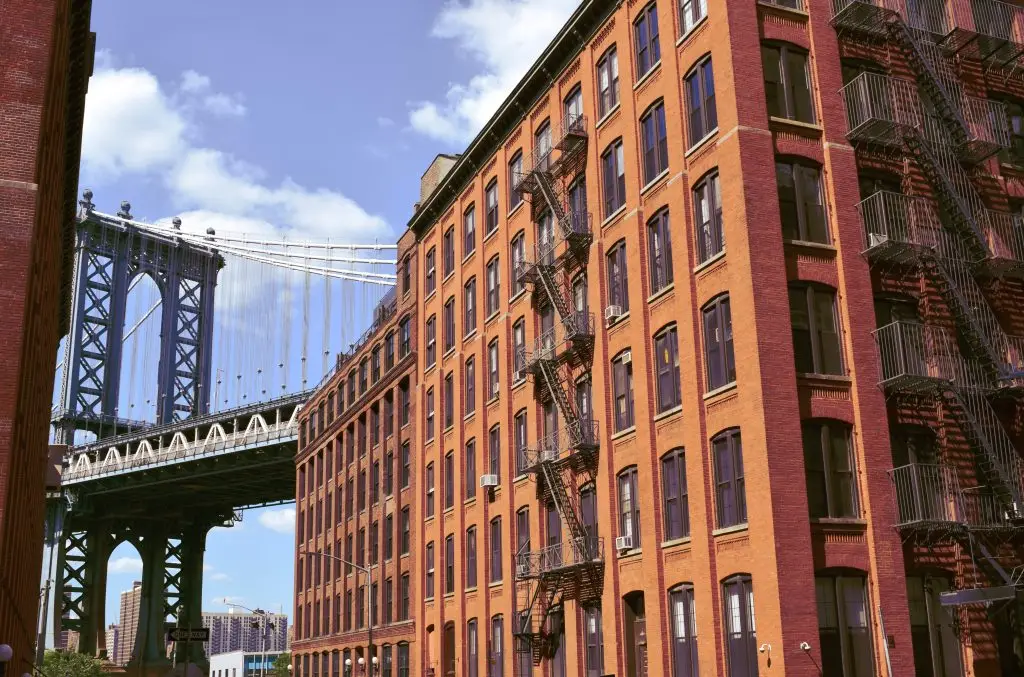
Brooklyn brownstones and townhouses are among the most distinctive residential properties in New York City. Found in neighborhoods such as Park Slope, Brooklyn Heights, Bedford-Stuyvesant, and Carroll Gardens, these buildings combine historic character with modern living. However, beneath their architectural appeal lies a critical component that often goes unnoticed until issues arise: the plumbing system.
While New York City provides high-quality drinking water from protected reservoir systems, the condition of internal plumbing plays a major role in determining what residents experience at the tap. In brownstones and townhouses, where infrastructure may span decades or even more than a century, water quality can be influenced by factors that are unique to each property.
Professional water testing services provide a reliable way to evaluate these conditions. By combining certified sampling with advanced laboratory analysis, homeowners, tenants, and property managers can gain a clear understanding of water quality within their buildings. This blog explores why water testing is particularly important for Brooklyn brownstones and townhouses, and how professional analysis helps identify and address potential concerns.
Understanding the Plumbing Systems in Brooklyn Brownstones
Brownstones and townhouses in Brooklyn were often constructed long before modern plumbing standards were established. While many of these buildings have undergone renovations, it is common for portions of the original infrastructure to remain in place. This creates a layered plumbing system that may include a combination of older and newer materials.
Over time, pipes can develop internal buildup that affects water flow and clarity. Mineral deposits, sediment, and corrosion byproducts may accumulate along pipe surfaces, remaining stable under normal conditions. However, changes in water flow or pressure can disturb this buildup, leading to temporary discoloration or variation in water appearance.
The layout of brownstone plumbing systems also differs from modern buildings. Multi-level designs often require water to travel through longer pipe runs before reaching fixtures. This increases the amount of time water spends in contact with plumbing materials, which can influence its characteristics.
In townhouses that have been converted into multi-unit residences, additional complexity is introduced. Each unit may have its own modifications, resulting in variations in plumbing configuration within the same building. These differences can affect water conditions between apartments and floors.
Understanding these systems is essential for identifying the factors that influence water quality in Brooklyn brownstones and townhouses.
Common Water Quality Concerns in Brooklyn Brownstones
Residents of Brooklyn brownstones and townhouses may encounter a range of water quality concerns. These issues are often linked to internal plumbing conditions rather than the municipal water supply.
Brown water is one of the most frequently reported concerns. This typically occurs when sediment or internal buildup within pipes is disturbed. Activities such as plumbing repairs, hydrant flushing, or nearby construction can trigger these changes. While brown water is often temporary, repeated occurrences may indicate underlying plumbing issues.
Another common concern is metallic taste, which can result from interactions between water and pipe materials. This is more likely to occur in older systems where pipes have been in place for extended periods.
Sediment in water is also a possibility, particularly in buildings with aging infrastructure. These particles are usually the result of accumulated material that becomes dislodged over time.
In addition to these visible concerns, there may be factors that are not immediately apparent, such as the presence of metals or microbial indicators. Because these cannot be detected through observation alone, laboratory testing is necessary for accurate evaluation.
Why Professional Water Testing is Essential
Professional water testing services provide a comprehensive approach to evaluating water quality in Brooklyn brownstones and townhouses. Unlike general observations or basic testing methods, certified laboratory analysis delivers precise and reliable data.
The process begins with proper sample collection. Certified consultants follow standardized procedures to ensure that samples represent actual conditions at the point of use. This includes collecting water from fixtures such as kitchen taps and bathroom sinks under controlled conditions.
Once collected, samples are analyzed in accredited laboratories equipped with advanced instrumentation. These laboratories can detect a wide range of parameters, including metals, microbial indicators, and emerging contaminants.
Laboratory reporting presents results in a structured format, allowing property owners and residents to understand water conditions clearly. Professional consultants then interpret these results, providing guidance on any necessary actions.
For brownstones and townhouses, where plumbing systems can vary significantly from one property to another, professional testing ensures that water quality is evaluated accurately and consistently.
Lead and Heavy Metal Testing in Older Properties
One of the key areas of focus in water testing for Brooklyn brownstones is the analysis of lead and other heavy metals. These substances are typically introduced through plumbing systems rather than the municipal supply.
In older buildings, pipes and fixtures may contribute to the presence of metals under certain conditions. Professional testing identifies these factors by analyzing samples collected from specific fixtures within the property.
Laboratories use precise methods to measure metal concentrations, providing detailed data that helps determine whether conditions are localized or part of a broader system issue. This information is essential for guiding maintenance decisions and ensuring that water quality meets expected standards.
Bacteria Testing and System Evaluation
Bacteria testing is another important component of water quality analysis in brownstones and townhouses. While municipal water is disinfected before distribution, conditions within building plumbing can influence microbial presence.
Certified laboratories test for indicator organisms that provide insight into system conditions. These indicators help determine whether further evaluation or maintenance is required.
Professional sampling ensures that results are accurate and representative. In multi-unit townhouses, testing may be conducted across different apartments to assess variation within the building.
This approach provides a comprehensive understanding of microbial conditions and supports effective management of water systems.
The Role of Professional Consultants and Laboratory Reporting
Professional water testing consultants play a critical role in ensuring that results are accurate and actionable. Their expertise extends beyond sample collection to include interpretation of laboratory data and recommendations for next steps.
Laboratory reports provide detailed information on water conditions, but understanding these results requires technical knowledge. Consultants bridge this gap by explaining findings in a clear and practical manner.
For property owners and managers, this guidance is essential for making informed decisions about maintenance, upgrades, and long-term planning. For residents, it provides reassurance and clarity about water conditions within their home.
When to Schedule Water Testing in Brooklyn Properties
There are several situations in which water testing is recommended for Brooklyn brownstones and townhouses. These include noticeable changes in water appearance, taste, or consistency, as well as after plumbing repairs or renovations.
Testing is also advisable for older properties where plumbing systems may be more likely to influence water conditions. Regular evaluation helps monitor changes over time and ensures that systems are functioning as intended.
For landlords and property managers, establishing a routine testing schedule supports proactive maintenance and helps maintain consistent water quality across all units.
Conclusion
Brooklyn brownstones and townhouses present unique challenges when it comes to water quality. While the city’s water supply is reliable, the condition of internal plumbing systems plays a major role in determining what residents experience at the tap.
From aging infrastructure and complex layouts to renovation impacts and usage patterns, multiple factors contribute to variation in water conditions. Professional water testing services provide the clarity needed to evaluate these factors accurately.
By combining certified sampling with advanced laboratory analysis, homeowners, tenants, and property managers can ensure that water quality is properly understood and maintained. In a borough known for its historic properties, this approach is essential for balancing character with modern standards of reliability and performance.