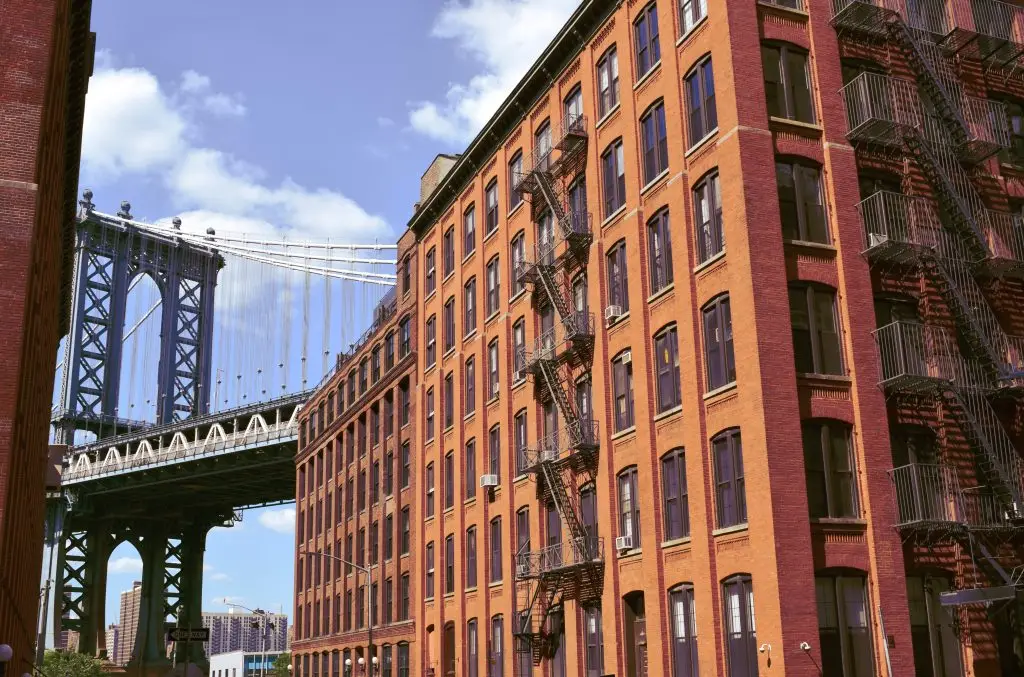
Brooklyn’s real estate landscape is a study in contrasts. From the brownstones of Brooklyn Heights and the sprawling industrial-to-luxury conversions in DUMBO to the soaring glass towers reshaping the Downtown skyline, the borough is a microcosm of urban evolution. However, beneath the aesthetic charm and the record-breaking square-footage prices lies a complex, aging, and increasingly scrutinized infrastructure.
As we navigate through 2026, a significant shift is occurring in the world of Brooklyn real estate: residential water testing has moved from a niche “basement concern” to a top-tier property management priority. For landlords, co-op boards, and building managers, the quality of the water flowing through their Brooklyn buildings is no longer just a utility it is a major liability and a core metric of operational success.
The Convergence of Aging Infrastructure and Modern Expectations
The primary driver behind this shift is the simple reality of age. A vast majority of Brooklyn’s residential stock was constructed in eras when plumbing standards were radically different from today’s. In neighborhoods like Bedford-Stuyvesant or Park Slope, many buildings still utilize service lines and internal plumbing systems that are decades past their intended lifespan.
While the New York City Department of Environmental Protection (DEP) maintains that the city’s water is among the cleanest in the world at the source, the journey from the Hillview Reservoir to a fifth-floor kitchen tap in a pre-war walk-up is fraught with variables. Corrosion, sediment buildup, and the lingering presence of lead-soldered joints in older pipes can fundamentally alter water quality at the point of use.
In 2026, tenants and shareholders are more informed than ever. They are equipped with home testing kits, access to public lead-service-line maps, and a heightened awareness of environmental toxins. For a property manager, a single tenant’s social media post about “discolored water” can trigger a building-wide crisis. Managing water quality issues proactively is the only way to stay ahead of the narrative.
The Regulatory Pressure: Local Law 159 and the Federal LCRI
Property managers are also facing a pincer movement of new regulations. At the federal level, the Lead and Copper Rule Improvements (LCRI) have set a strict 10-year deadline for the total replacement of lead service lines. In Brooklyn, where thousands of service lines remain “unknown” or “galvanized requiring replacement,” the clock is ticking.
Locally, the city has intensified its oversight of multifamily dwellings. As of May 2026, new mandates have been implemented regarding the frequency of water storage tank inspections and the transparency of reporting. If a building utilizes a rooftop tank to maintain pressure common in buildings six stories and higher managers must now submit certified bacteriological samples annually.
Failing to provide these reports doesn’t just result in a fine; it flags the building in a public database, potentially impacting its ability to secure financing or attract high-quality commercial tenants for ground-floor spaces. This is why professional testing services have become an essential line item in the annual operating budget.
The Financial Risk: Insurance, Valuation, and Retention
Beyond compliance, the financial implications of water quality are staggering. In a high-interest-rate environment, property managers are focused on asset protection and risk mitigation.
- Insurance Leverage: Insurance carriers in 2026 are increasingly looking for “risk-mitigated” properties. A building that can demonstrate a history of consistent, professional water analysis is in a much stronger position to negotiate premiums. Carriers view a lack of data as an “unquantified risk,” which translates to higher costs for the owner.
- Property Valuation: During a sale or a refinancing event, the due diligence process has expanded. Lenders are now asking for environmental health reports that include lead and copper data. A “clean bill of health” for a building’s water system is a tangible asset that protects the property’s valuation.
- Tenant Retention: In neighborhoods like Williamsburg or Greenpoint, where luxury competition is fierce, water quality is a wellness amenity. High-end tenants expect filtered-quality water at every tap. When a property manager can point to regular water testing as part of their “Wellness and Safety” protocol, they see higher retention rates and fewer disputes.
Many managers check our FAQ to understand the specific differences between “city-standard” water and the “tenant-ready” water required for luxury occupancy.
The Complexity of Mixed-Use and Industrial Conversions
Brooklyn is famous for its industrial heritage, and many of its most sought-after residences are located in former factories and warehouses. While these buildings offer incredible aesthetics, they present unique plumbing challenges.
Industrial buildings were often designed for high-volume, non-potable water use. Converting these structures to residential use often involves a patchwork of old and new plumbing. Furthermore, the ground beneath many of these locations has a history of industrial activity. While water pipes are closed systems, the external environment and the vibrations from ongoing neighborhood construction can impact the integrity of older lines.
A professional sampling plan for an industrial conversion must be much more rigorous than for a standard new build. It requires testing for a broader range of contaminants and a deeper understanding of how the building’s specific history might be influencing current water chemistry.
Why “Reactive” Management is a Failing Strategy
The traditional model of property management was reactive: you wait for a leak to fix a pipe; you wait for a complaint to test the water. In 2026, this strategy is obsolete. By the time a tenant notices a change in water quality, the damage to the plumbing, to the building’s reputation, and potentially to human health has already been done.
Predictive maintenance is the new standard. By analyzing water quality data over time, building engineers can identify the “silent” markers of pipe degradation. A steady rise in copper or iron levels at a specific riser is an early warning sign of a pinhole leak waiting to happen. Testing allows managers to plan for repairs during scheduled shutdowns, rather than paying emergency rates for a 3:00 AM flood on a holiday weekend.
Property managers can stay updated on these emerging technical standards by following our blog, which tracks NYC-specific legislative changes and new filtration technologies.
Breaking Down the Silos: Building a Water Management Plan (WMP)
To address these issues, Brooklyn’s leading property management firms are adopting Water Management Plans (WMP). A WMP is not just a binder on a shelf; it is a dynamic operational strategy that includes:
- Routine Sampling: Moving beyond “once-a-year” to a quarterly or bi-annual cadence that accounts for seasonal shifts in water temperature and usage.
- Stagnation Protocols: Implementing flushing programs for vacant units to prevent the growth of Legionella and the accumulation of heavy metals.
- Tenant Communication: Providing a transparent channel where residents can see the latest water quality milestones.
- Staff Training: Ensuring that “supers” and maintenance staff understand the basics of water chemistry and how to spot the early signs of system stress.
According to the Centers for Disease Control and Prevention (CDC), a functional WMP is the single most effective way to prevent waterborne illness in large buildings. For Brooklyn managers, it is also the best way to prevent legal and financial headaches.
Conclusion: The New Standard of Stewardship
The role of the Brooklyn property manager has evolved. It is no longer enough to be a landlord; you must be a steward of a complex environmental system. Water quality has moved from a background utility to a frontline indicator of building health and management professionalism.
Whether you are managing a landmarked brownstone in Clinton Hill or a 400-unit tower in Bushwick, the quality of your water is a reflection of your commitment to your residents. In a borough that values both history and innovation, professional water testing is the bridge that ensures the buildings of the past are safe for the residents of the future.
If you are ready to modernize your property’s water safety protocols and protect your asset against the rising tide of regulatory and tenant pressure, the time to act is now. Contact our team of specialists today to begin a comprehensive assessment of your building’s needs and build a testing plan that secures your property’s legacy.