
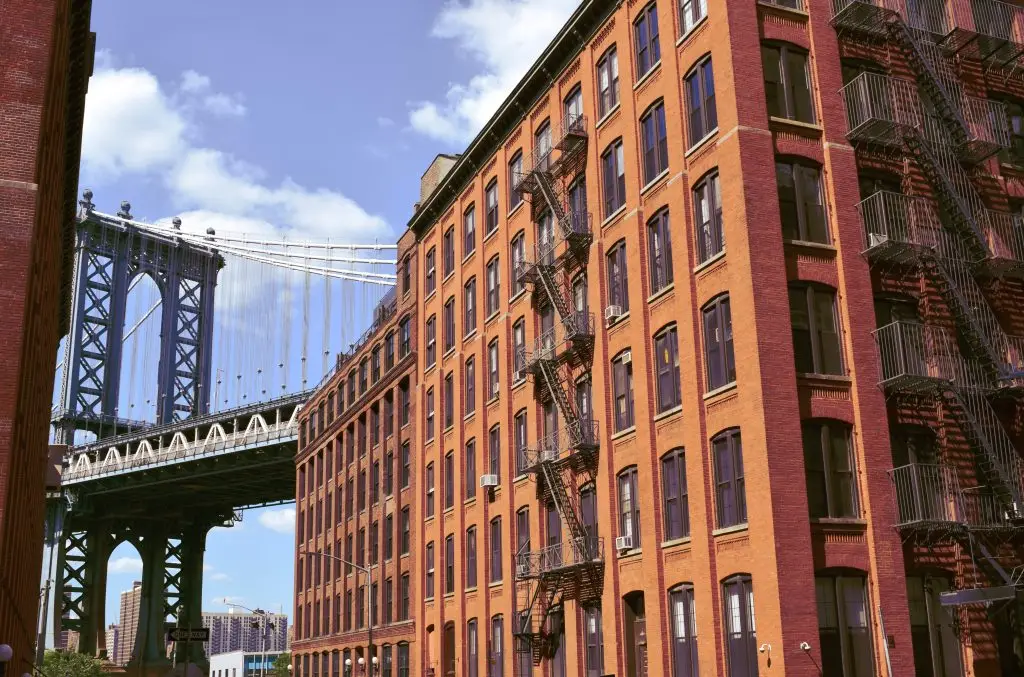
Park Slope is a neighborhood defined by its architectural continuity. Its tree-lined streets and historic brownstones represent the pinnacle of late 19th-century residential design. However, for the homeowners and property managers of these prized assets, the beauty of a 140-year-old facade often masks the intricate, aging infrastructure within. In these historic homes, the “guesswork” approach to maintenance is a recipe for expensive failure.
As we move through 2026, the most successful renovations and preservation projects in Park Slope have one thing in common: they rely on careful, data-driven water analysis. In a neighborhood where plumbing systems are often a patchwork of multiple eras, knowing exactly what is happening inside the pipes is the only way to protect both the building’s integrity and its occupants’ health.
The Challenge of the “Hybrid” Plumbing System
Very few Park Slope brownstones have “pure” plumbing systems. Over the decades, these Brooklyn buildings have undergone numerous partial upgrades. It is common to find a single property that utilizes original lead service lines, mid-century galvanized steel risers, and modern copper or PEX branch lines added during a recent kitchen remodel.
This “hybrid” environment is a breeding ground for water quality issues. When different metals like copper and galvanized steel are joined together, they create a galvanic reaction that accelerates corrosion. Guessing at the source of a metallic taste or a drop in pressure often leads to “spot repairs” that solve the symptom while ignoring the systemic cause. Careful analysis identifies these chemical imbalances before they turn into pinhole leaks behind historic plaster walls.
Avoiding the “Renovation Trap”
For many new owners in Park Slope, the first instinct is to perform a gut renovation. However, in a historic district, these projects are governed by strict preservation guidelines and massive budgets. Guesswork during the planning phase can lead to the “Renovation Trap” where a project is stalled by unexpected infrastructure failures.
By implementing professional testing services before the design phase begins, owners can gain a clear picture of the system’s “baseline.”
- Lead Identification: Is the lead coming from the street-side service line or the internal solder?
- Pressure Dynamics: Does the home need a modern booster pump, or is the pressure drop caused by internal mineral scaling?
- Contaminant Mapping: Are the “old house smells” coming from the drains or from bacterial growth in stagnant dead-end pipes?
Having this data allows for surgical, cost-effective repairs rather than broad, destructive replacements.
Navigating Local Law 159 and the 2026 Mandates
Even in private residential settings, the regulatory landscape of 2026 has become more demanding. For owners of multi-family brownstones or those with rooftop water storage tanks, new NYC mandates require more rigorous and transparent reporting of water safety metrics.
While much of the focus is on larger commercial structures, the Environmental Protection Agency (EPA) has lowered “action levels” for lead and copper, meaning that many older systems that “passed” five years ago may now require remediation. In Park Slope, where family residency is the norm, meeting these higher standards is not just about compliance it’s about the safety of the next generation.
Homeowners can stay updated on these shifting “safe” thresholds and new NYC-specific mandates by following our blog, which serves as a technical resource for the borough’s historic property owners.
The Financial Reward of Data
In the Park Slope real estate market, transparency is a selling point. When it comes time to sell a brownstone, a binder full of “I think it’s fine” is far less valuable than a folder of certified, annual water analysis reports.
Prospective buyers in 2026 are savvy. They check our faq to see what contaminants they should be worried about in older locations. When an owner can prove that their water system has been professionally monitored and maintained, it justifies a premium price. It demonstrates a level of stewardship that goes beyond the aesthetic, suggesting that the “unseen” parts of the house are just as pristine as the restored mahogany banisters.
Precision Over Procrastination
The greatest enemy of a Park Slope brownstone is procrastination. A small chemical imbalance in the water today can lead to a catastrophic pipe failure in three years. Proactive water testing takes the guesswork out of the equation, allowing owners to move from a “reactive” maintenance posture to a “preventative” one.
By identifying issues like high acidity or low disinfectant residuals, owners can install targeted filtration or treatment systems that extend the life of their plumbing by decades. In a neighborhood where history is the primary asset, this longevity is the ultimate goal.
Conclusion
The brownstones of Park Slope are more than just houses; they are legacies. Protecting these legacies requires a move away from the “trial and error” maintenance of the past. Careful water analysis provides the clarity needed to manage historic plumbing with confidence and precision.
If you are a Park Slope homeowner or manager looking to secure your building’s infrastructure, the time to trade guesswork for data is now. Contact our team today for a comprehensive evaluation of your property’s water health. By investing in analysis today, you ensure that your brownstone remains a safe, vibrant home for the next century.