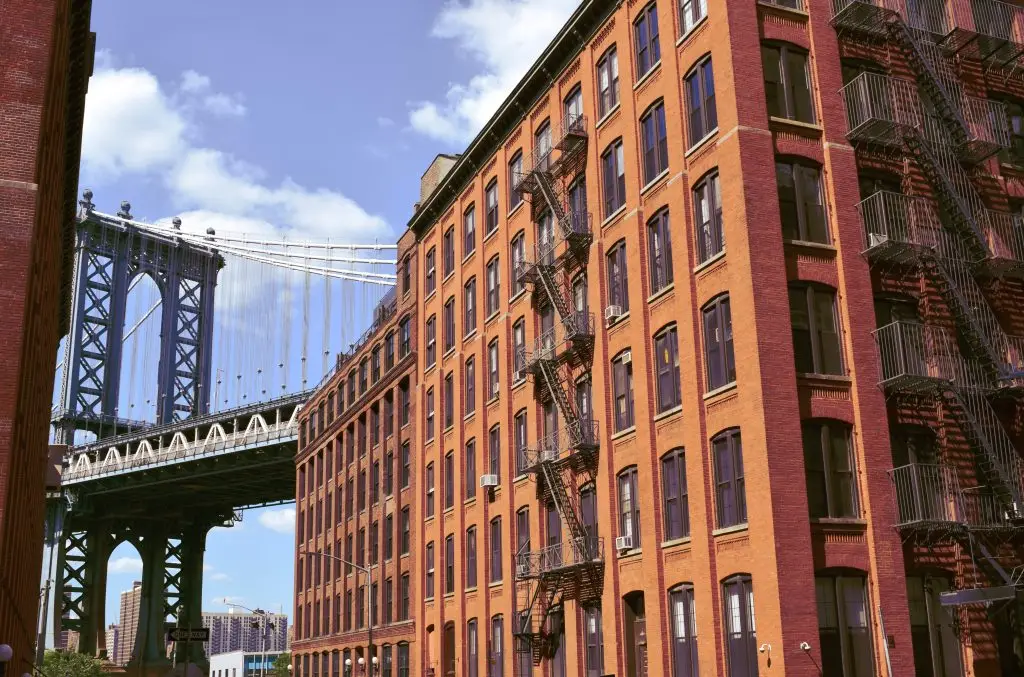
In the competitive landscape of Brooklyn real estate, “best guesses” are a liability. Whether you are managing a 200-unit development in Downtown Brooklyn or a historic multi-family walk-up in Sunset Park, the technical integrity of your building’s infrastructure is its most valuable asset. While many owners focus on visible upgrades like facade work or lobby renovations, the most critical data point for a building’s long-term health is often invisible: its water chemistry.
As we progress through 2026, the industry is moving away from basic “compliance checks” and toward a model of comprehensive, certified water analysis. For Brooklyn property owners, this shift provides a superior technical foundation that informs capital planning, mitigates legal risk, and ensures the longevity of expensive Brooklyn buildings.
Beyond the Basics: What Certified Analysis Reveals
Most owners are familiar with the standard lead and bacteria checks required by local mandates. However, a certified water analysis goes much deeper, providing a full “blood panel” of the building’s internal health. By utilizing professional testing services, owners gain data on technical parameters that directly impact operations:
- pH and Alkalinity: These are the primary indicators of how corrosive the water is to your specific pipe materials. In Brooklyn’s older stock, slightly acidic water can quietly dissolve copper and lead-soldered joints over years.
- Total Dissolved Solids (TDS) and Conductivity: High levels can indicate mineral buildup that chokes water pressure and ruins high-efficiency boilers and cooling towers.
- Disinfectant Residuals: Measuring chlorine levels at the furthest points of a building ensures that the city’s treatment is actually reaching the top-floor residents, preventing “pockets” of bacterial growth.
This data allows for a surgical approach to maintenance. Instead of guessing why a building has recurring water quality issues, owners can use lab-verified data to pinpoint the exact chemical cause.
Strengthening Your Asset’s “Paper Trail”
In 2026, a building is only as good as its documentation. Regulatory bodies like the NYC Department of Health (DOHMH) and the EPA have moved toward digital-first reporting, where gaps in data are immediately flagged.
Under the current Lead and Copper Rule Improvements (LCRI) mandates, building owners are under a tight timeline to inventory their service lines. A certified water analysis provides the technical leverage needed to navigate this process. If your building is among the many in Brooklyn locations with “unknown” service line materials, professional testing can provide the empirical evidence needed to prioritize replacements and avoid the $8,000+ emergency costs associated with last-minute city-mandated work.
Furthermore, these certified reports are essential for:
- Insurance Audits: Demonstrating “due diligence” to carriers to keep premiums manageable.
- Refinancing: Providing lenders with an environmental health baseline for the property.
- Tenant Transparency: Preempting resident concerns by providing verified, third-party data on water safety.
The Financial Logic of a Technical Foundation
For many Brooklyn owners, the initial cost of a professional water testing program is viewed as an expense. In reality, it is a high-ROI investment in “Building Intelligence.”
Consider the cost of a catastrophic pipe failure in a 10-story building. Beyond the immediate water damage, there is the cost of emergency plumbers, resident displacement, and potential lawsuits. A certified analysis that identifies “aggressive” water chemistry allows an owner to install a targeted filtration system for a fraction of the cost of an emergency repiping.
Property owners can find more specific technical breakdowns in our FAQ, which explains how different chemical parameters affect the lifespan of common NYC plumbing materials.
Avoiding the “Out of Sight” Trap
The greatest risk to a Brooklyn property is the “out of sight, out of mind” trap. Many owners assume that because the city’s water is safe at the source, it is safe at the tap. However, as noted in the NYC 2024 Drinking Water Supply and Quality Report, the responsibility for water quality shifts to the building owner once the water passes the meter.
A certified water analysis acts as a “check engine light” for your building’s infrastructure. It identifies the early signs of sediment buildup, biofilm growth, and metal leaching before they become visible (and expensive) problems.
To stay informed on the latest technical standards and how they apply to the borough’s unique architectural landscape, following a specialized blog is essential for modern property managers.
Conclusion
In 2026, a building’s technical foundation is built on data. By investing in certified water analysis, Brooklyn property owners are no longer reacting to crises—they are managing assets. This proactive approach ensures that your building remains a safe, compliant, and valuable part of the Brooklyn skyline.
If you are ready to move beyond the guesswork and establish a solid technical foundation for your property, contact our team today for a certified analysis tailored to your building’s history and needs.