
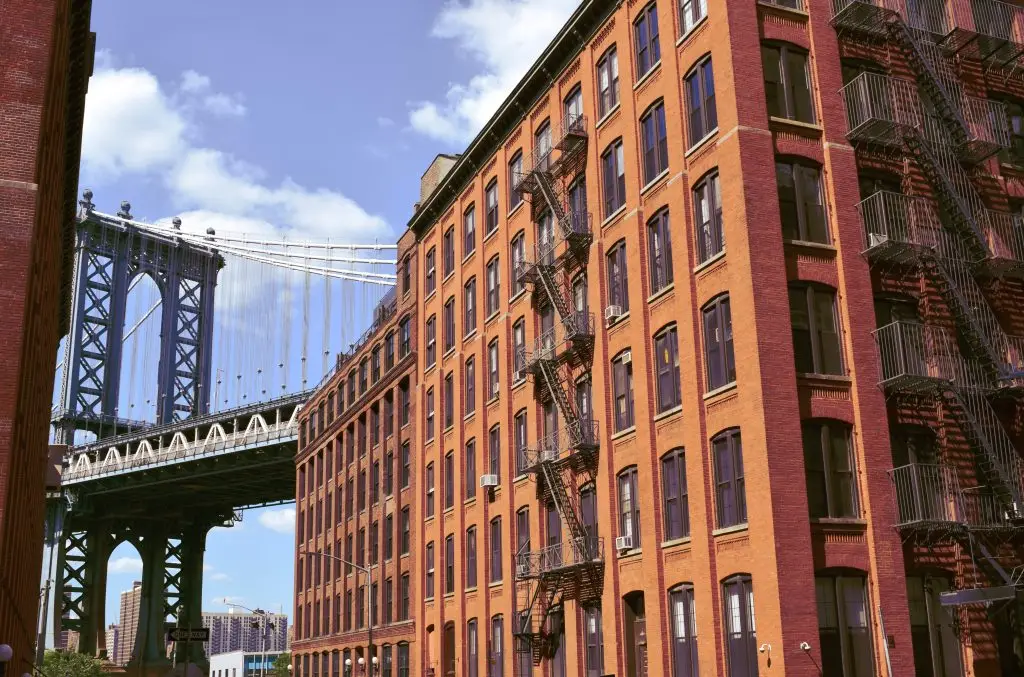
Fort Greene is a neighborhood where the history of New York City’s housing is written into the streets. Water testing laboratory NYC services are especially important here because no two plumbing systems are exactly alike, from the opulent mid-19th-century townhouses surrounding the park to the towering residential complexes along the Fulton Street corridor.
This architectural diversity creates a significant challenge for property owners and managers, especially as new city-wide regulations take effect in May 2026. To address aging infrastructure and modern safety standards, these buildings need more strategic sample planning rather than one-size-fits-all testing.
The Geographic and Historical Complexity of Fort Greene
Fort Greene’s plumbing landscape is divided by era and scale. The neighborhood’s classic brownstones often rely on original or mid-century building systems that are reaching their natural limit. Conversely, the newer high-rise developments toward Downtown Brooklyn utilize complex booster pumps and rooftop storage tanks to defy gravity.
Strategic sample planning begins with an “archaeology” of the building. In a pre-war Fort Greene apartment block, a sample taken only from the basement intake provides a false sense of security. Because water quality issues like lead leaching or iron corrosion often occur within the building’s internal risers, a better plan involves “vertical sampling” testing at the point of entry, the mid-stack units, and the top-floor taps to identify exactly where degradation begins.
Navigating the May 2026 Regulatory Shift
The urgency for better planning has been amplified by the arrival of Local Law 159. As of May 7, 2026, any building in Fort Greene with a cooling tower is now required to perform monthly Legionella testing, a significant increase from the previous 90-day requirement.
This shift has forced property managers to move from reactive maintenance to a structured Water Management Plan (WMP). A well-planned sampling cadence ensures that:
- Budgetary Surprises are Minimized: Monthly testing is an operational reality; integrated planning allows boards to lock in testing services at predictable rates.
- Compliance is Verifiable: The NYC Department of Health (DOHMH) has increased digital oversight in 2026, making it easier to track and fine buildings that lack a documented history of consistent sampling.
Property managers can stay updated on these specific May 2026 deadlines by following our blog, which tracks the latest legislative nuances for Brooklyn’s historic districts.
The “Stagnation Trap” in High-Density Rentals
Fort Greene is a hub for a mobile, professional population. This leads to fluctuating occupancy rates, which can be a primary driver of bacterial growth. When a unit sits empty for several weeks, the water in its branch lines becomes stagnant, losing its disinfectant residual and allowing biofilm to form.
Better sample planning accounts for these “stagnation traps.” Instead of testing only active units, a strategic plan includes sampling at “dead legs” or recently vacated apartments. This proactive water testing allows managers to implement targeted flushing protocols, ensuring that the next tenant moves into a home with fresh, safe water from day one.
Leveraging Data for Landmark Stewardship
Many buildings in Fort Greene fall within designated historic districts. For these landmarks, plumbing repairs are not just expensive; they are invasive. A strategic sample plan provides the “technical foundation” needed to avoid unnecessary gut renovations.
By analyzing the chemical signature of the water, experts can determine if a “brown water” complaint is caused by a failing main riser (a building-wide project) or a localized galvanized pipe in a single unit (a minor repair). This level of precision is often discussed in our FAQ, where owners learn how to interpret complex lab results to make informed capital decisions.
Building Resident Trust in a Modern Market
In a neighborhood as community-oriented as Fort Greene, transparency is vital. Today’s residents are highly aware of environmental health. When a building board can present a multi-year, professionally planned history of water safety, it builds a level of trust that is essential for resident retention.
In 2026, a “safe building” is one that is transparent about its challenges and meticulous about its data. Whether your property is located near the park or in the bustling commercial locations near the Barclays Center, better sample planning is the key to ensuring your residents stay healthy and your infrastructure stays sound.
Conclusion
Fort Greene’s apartment buildings are some of the most iconic in Brooklyn, but their future depends on modernizing their approach to water safety. By moving away from haphazard checks and toward strategic, data-driven sample planning, owners can protect their residents’ health and their property’s long-term value.
If you are a manager or board member in Fort Greene and need to develop a professional Water Management Plan for your building, contact our team today. We provide the expertise and laboratory precision needed to navigate the unique plumbing histories of the Brooklyn skyline.