In the high-stakes world of Brooklyn real estate, data is abundant, but clarity is often scarce. Water testing labs NYC help bridge that gap by turning complex laboratory reports into clear, actionable answers about building safety. A property manager or co-op board may receive technical results such as parts per billion, colony-forming units, pH levels, and disinfectant residuals, but without expert interpretation, it can be difficult to know whether the issue is minor or serious.
As we navigate the complexities of 2026, the role of the professional water quality consultant has become indispensable. These experts help Brooklyn buildings make sense of raw lab data, identify hidden risks, and respond appropriately to aging infrastructure and tightening regulations.
Translating the Lab Report into Reality
A laboratory is designed to provide precise measurements, not localized context. For example, a lab may flag a lead level of 11 parts per billion (ppb). While the lab identifies this as being above the new 2026 federal action level of 10 ppb, it cannot tell the owner why it is happening.
This is where a consultant provides the “technical foundation.” By analyzing the results in the context of the building’s specific building systems, a consultant can determine if the issue is:
- The Street Connection: A lead service line that requires replacement under the 2037 mandate.
- Internal Point-of-Use: A single, older brass fixture in a specific apartment.
- Systemic Corrosion: Low pH levels in the building’s water chemistry that are leaching metals from 1950s-era solder.
Without this expertise, owners often resort to expensive, building-wide plumbing “overhauls” when a targeted, chemical treatment or a few fixture replacements would have solved the problem for a fraction of the cost.
Navigating Local Law 159 and 2026 Compliance
The regulatory environment in Brooklyn has reached a new level of stringency this May. With the implementation of Local Law 159, buildings with cooling towers must now adhere to monthly Legionella culture testing.
For many boards, this feels like an administrative nightmare. Consultants help owners make sense of these requirements by:
- Establishing a Cadence: Creating a “compliance calendar” that ensures no deadlines are missed.
- Interpreting “Non-Detect” vs. “Positive” results: A low-level detection of Legionella does not always require a full building shutdown; a consultant can advise on when “slug dosing” or secondary disinfection is the appropriate, measured response.
- Digital Filing: Ensuring that all results are correctly uploaded to the NYC Department of Health (DOHMH) portals to avoid the automatic fines that have become common in 2026.
Property managers can stay informed on these shifting thresholds by following our blog, which tracks real-time updates from the DOHMH and EPA.
The Financial Logic: ROI on “Water Intelligence”
In a market where insurance premiums are rising and interest rates remain high, Brooklyn owners are focused on Return on Investment (ROI). Professional water testing and consulting provide a clear financial advantage.
When a consultant helps an owner understand their water chemistry, they are essentially providing a “predictive maintenance” roadmap. Identifying high mineral content (TDS) or aggressive water early allows owners to install scale-prevention systems that can double the lifespan of expensive high-efficiency boilers and cooling towers.
Furthermore, during property acquisitions or refinancings in various locations, having a consultant-verified history of water safety acts as a “seal of approval” for lenders and insurers. Many owners consult our FAQ to see how they can leverage their water quality data during the due diligence process.
Managing the “Human Element” of Water Quality
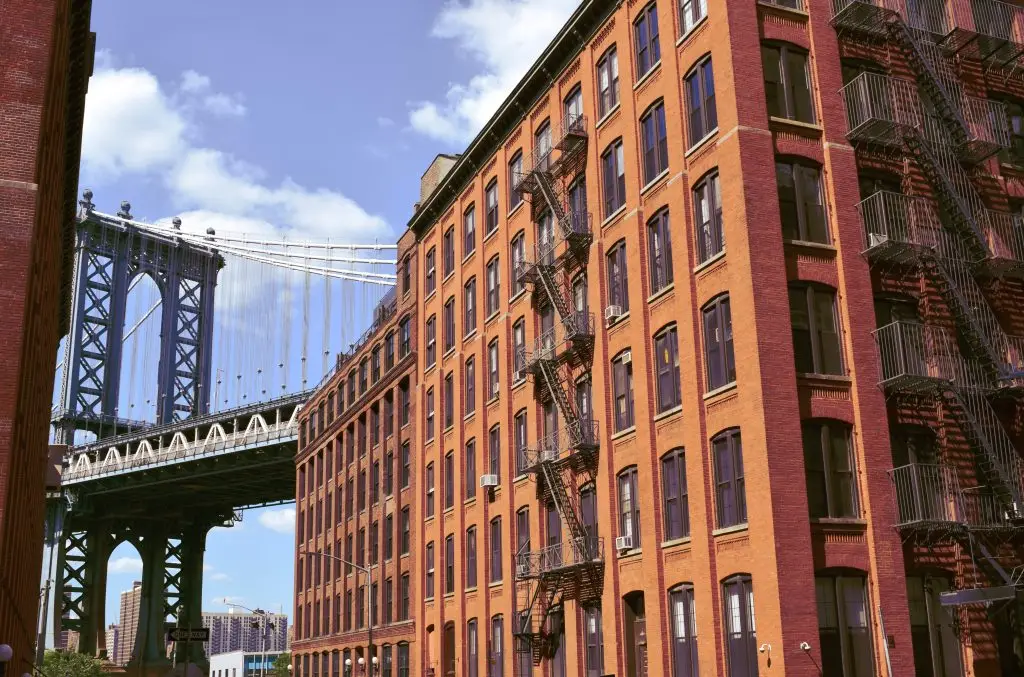
Perhaps the most valuable service a consultant provides is communication. When a tenant in a luxury DUMBO loft or a Park Slope brownstone expresses concern about water quality issues, a defensive or vague response from management can lead to litigation or social media backlash.
A professional consultant acts as a neutral third party. They can explain the science to residents in a way that is transparent and grounded in fact. By providing “Safe to Drink” certifications and clear explanations of the building’s Water Management Plan (WMP), consultants help maintain the most important asset in Brooklyn real estate: tenant trust.
Conclusion
In 2026, owning a building in Brooklyn means managing a complex environmental system. Raw data from a lab is just the starting point; true safety and operational efficiency come from understanding what that data means for your specific property. Professional water quality consultants provide the expertise, the context, and the peace of mind that Brooklyn owners need to thrive in a demanding market.
Don’t let your building’s health be a matter of guesswork. If you need help making sense of your latest testing services results or want to build a more robust technical foundation for your property, contact our team today. We turn complex data into clear strategies, ensuring your water is safe and your building is compliant.