
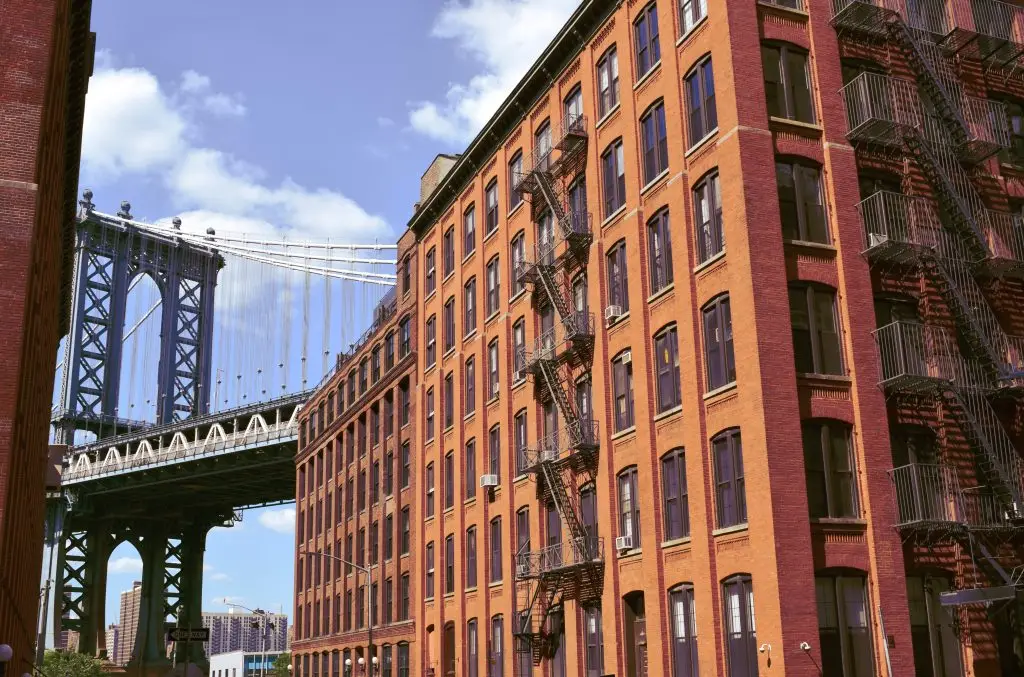
A knowledgeable water testing consultant can be especially valuable in Boerum Hill, where historic homes often hide complex plumbing systems behind beautifully preserved façades. Celebrated for its human-scale charm, quiet tree-lined blocks, and cohesive 19th-century architecture, this northwestern Brooklyn neighborhood is filled with modified Greek Revival and Italianate townhouses built between the 1840s and 1880s. While these brick and brownstone homes were originally designed for merchants, artisans, and clerks, they now require careful stewardship from families and property managers who want to preserve both their character and their safety.
What makes a water testing consultant so important in Boerum Hill is the hidden condition of the indoor utility infrastructure. Although the neighborhood’s streetscapes may appear uniformly historic, the plumbing inside each property often tells a far more complicated story, shaped by decades of repairs, updates, and material changes. A consultant helps identify how that hidden infrastructure may affect water quality, explains the results in practical terms, and guides owners toward the right next steps for protecting indoor environmental quality.
The Generation-by-Generation Plumbing Patchwork
Walk inside an iconic row house on Dean, Bergen, or Wyckoff Street, and you are stepping into a building that has likely undergone four or five major structural eras. Unlike a modern master-planned suburban development where every pipe, valve, and fitting is identical, a historic townhouse is an ongoing historical archive of plumbing technology. Over more than a century of continuous occupancy, original fixtures failed, additions were built, and individual floors were modernized or subdivided.
As a result, the typical Boerum Hill residential water distribution system is a structural hybrid. A single property might receive its water through an old lead or galvanized iron lateral service line extending from the city street main. Once inside the cellar, that line may transition to early-20th-century galvanized iron distribution headers. From there, vertical risers feeding the upper floors might consist of mid-century copper lines connected with lead-bearing solder, while the recently remodeled kitchen on the parlor floor utilizes modern, flexible PEX piping.
[City Street Main] ➔ [Legacy Lead Service Line] ➔ [Galvanized Basement Header] ➔ [PEX Parlor Floor Line]
       |                     |                              |                            |
  Incoming City         Heavy Metal                    Internal Rust &             Modern Lead-Free
   Water Supply          Leaching                     Flow Constriction             Point of Use
This structural patchwork creates an environment where water chemistry changes floor by floor. While municipal water entering the borough satisfies the rigorous health metrics enforced by public agencies like the New York City Department of Environmental Protection (DEP), its interaction with a home’s internal patchwork plumbing can rapidly degrade its purity before it ever flows from a tap.
When Eras Collide: The Threat of Galvanic Action
The mixing of different historic plumbing materials does more than create aesthetic variations; it introduces active chemical risks to the building’s infrastructure. When two dissimilar metals—such as vintage galvanized iron and modern copper—are directly joined together in a damp environment or filled with water, they trigger a process known as galvanic corrosion.
In this scenario, the water acts as an electrolyte, creating a micro-electrical circuit between the two metals. The less noble metal (the iron) acts as an anode and sacrifices itself, oxidizing and rusting at a highly accelerated rate. This reaction leads to distinct operational and environmental issues within the home:
- Accelerated Structural Failure: Pinhole leaks and structural joint failures routinely develop at the exact points where modern renovations intersect with legacy plumbing, often hidden inside finished ceilings or walls.
- Particulate Precipitation: As the iron pipes degrade internally, they shed heavy flakes of rust and zinc into the water stream, causing sudden, sporadic bursts of orange or brown discoloration.
- Heavy Metal Leaching: The chemical instability caused by galvanic action can alter local water chemistry inside the pipe, increasing the rate at which heavy metals dissolve into the water during periods of stagnation.
Property owners planning a localized renovation can avoid these compounding infrastructure risks by implementing a targeted water testing strategy before opening up walls, allowing them to pinpoint hidden material transitions.
Multi-Family Conversions and Water Stagnation Dynamics
The operational demands placed on Boerum Hill plumbing have changed dramatically since the 19th century. During the mid-20th century, many of the neighborhood’s grand single-family estates were subdivided into multi-family rental apartments, triplexes, or rooming houses. While many have since been lovingly restored back into single-family brownstones, these historic conversions left behind a complex maze of repurposed pipes, bypassed lines, and “dead legs”—segments of pipe that have been capped off but remain filled with stagnant water.
In multi-unit Brooklyn buildings, water usage patterns vary wildly. If a parlor-floor unit is heavily occupied while a top-floor duplex sits vacant during an extended vacation, the water in the upper risers sits completely motionless for days.
Water stagnation is the primary catalyst for heavy metal accumulation and biological biofilm development. When water rests against vintage brass fixtures or lead-soldered copper joints for hours, the concentration of dissolved contaminants increases exponentially. Because these conditions are address-specific and depend entirely on the unique layout and usage of the individual home, generic neighborhood water reports fail to provide actionable safety data for concerned residents.
| Infrastructure Material | Historical Era | Primary Contaminant Risk | Practical Impact on Tap Water |
| Lead Service Lines | Pre-1930s | Dissolved Lead | Invisible, cumulative neurological hazard; requires first-draw tracking. |
| Galvanized Iron | 1840s – 1940s | Particulate Iron, Zinc, Cadmium | Orange/red tint, metallic taste, clogged appliance valves. |
| Copper with Lead Solder | 1950s – 1986 | Dissolved Lead, Copper Ions | Elevated heavy metal levels after overnight plumbing stagnation. |
| PEX / Lead-Free Brass | Modern Retrofit | Material degradation if exposed to high galvanic currents from old iron. | Localized pressure drops, hidden joint failure if improperly isolated. |
Moving Beyond Generic Solutions to Manage Localized Water Quality Issues
Because the plumbing architecture of Boerum Hill is highly individualized, property owners cannot rely on broad, one-size-fits-all assumptions. Managing a historic building’s water system requires a precise, systematic approach tailored to the specific property:
- Map the System Forensically: Locate the main water entry point in the cellar and identify the composition of the service line. Trace the visible vertical risers to understand where old infrastructure meets modern repairs.
- Utilize Multi-Point, First-Draw Sampling: To accurately capture the chemical footprint of a hybrid plumbing system, collect water samples from different floors immediately in the morning before any faucets are run. This highlights whether water quality issues are building-wide or isolated to a specific vintage bathroom riser.
- Install Proper Insulating Unions: Whenever a plumbing repair requires joining two different metals, ensure your contractor installs a proper dielectric union to break the electrical current and halt galvanic corrosion.
- Deploy Target-Specific Filtration: Rather than installing generic carbon pitchers that fail to address heavy metal concentrations or fine rust sediment, use your precise laboratory data to deploy filtration systems calibrated to your home’s exact chemical and structural profile.
Preserving the Health of Historic Homes
Owning a piece of Brooklyn’s architectural history in Boerum Hill is a profound privilege, but it carries a unique responsibility to maintain the hidden utility systems that sustain daily life. By looking past the historic facade and understanding the complex, multi-era plumbing network operating behind the scenes, residents can make data-driven decisions that safeguard both their structural investments and their families’ long-term health.
To discover how a tailored, laboratory-grade analysis can map out the exact condition of your historic property’s internal water supply, visit Water Testing Brooklyn and establish an accurate health baseline for your home today.