
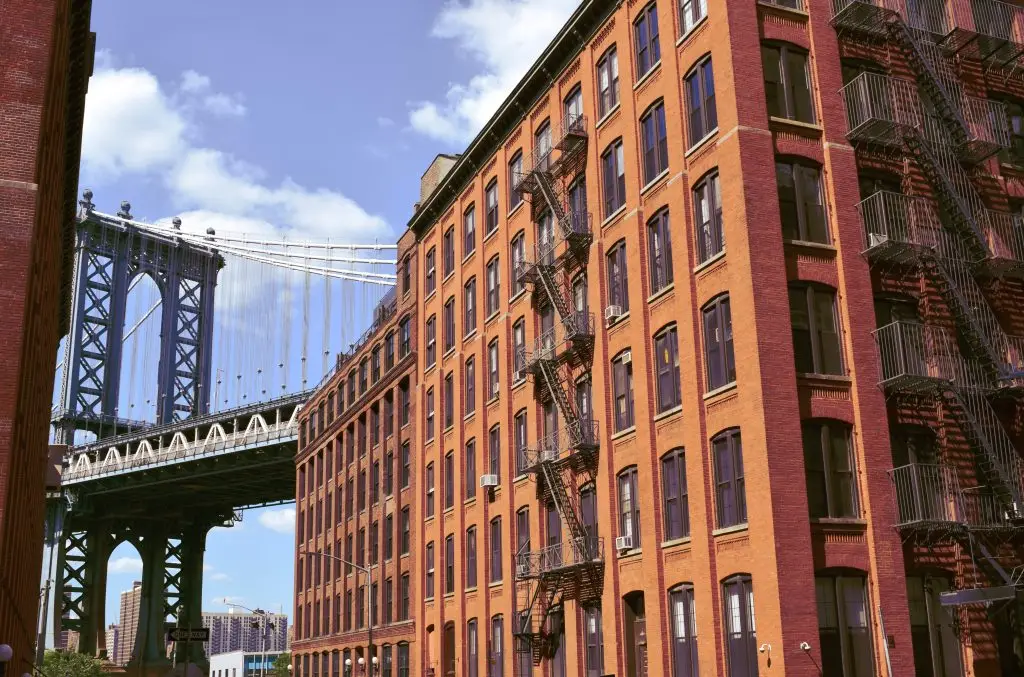
Bushwick is a neighborhood defined by its perpetual evolution. Over the past few decades, this vibrant section of Brooklyn has transformed its industrial warehouses, historic row houses, and mid-century multi-family properties into a thriving hub for artists, young professionals, and long-term families. This rapid revitalization has created a highly diverse residential real estate landscape, where cutting-edge, newly constructed apartment complexes stand shoulder-to-shoulder with century-old loft conversions.
For landlords, property managers, and co-op boards operating in Bushwick, managing a building’s environmental safety is a central priority. However, when it comes to evaluating the safety and composition of drinking water, traditional sampling habits often fall short. Because of the architectural layout, varied occupant load, and complex internal plumbing networks of multi-family structures, a single water sample taken from a basement utility room or a single ground-floor apartment cannot provide an accurate picture of the entire building. To truly ensure safety, a comprehensive multi-point water analysis program is required.
The Mirage of the Single-Point Baseline
Many building operators schedule water inspections as a routine compliance checkbox. To save time, a standard practice has been to take one water sample from the property’s incoming water main or an easily accessible janitorial sink, send it to a lab, and assume the resulting report applies to the entire building.
This approach relies on the flawed assumption that water quality remains completely uniform as it travels through a property. While municipal water entering a Bushwick building line complies with the health standards monitored by federal authorities like the Environmental Protection Agency (EPA), its chemistry begins to change the moment it enters the private plumbing network.
Because water acts as a natural solvent, its composition continuously shifts based on the specific age, material, and temperature of the pipes it flows through. In a multi-story apartment building, water that is perfectly clean at the basement meter can easily become degraded by the time it travels through hundreds of feet of horizontal mains and vertical risers to reach a fourth-floor kitchen tap.
Why Multi-Family Layouts Distort Water Chemistry
Multi-family residential buildings introduce distinct physical and operational variables that do not exist in single-family homes. These factors directly influence how water behaves behind the walls:
1. Vertical Transit and Elevation Variations
As water is pumped or pushed via municipal pressure up to the upper floors of an apartment complex, it travels through extensive vertical risers. In many older Bushwick properties, these risers are constructed from historical galvanized iron or copper pipes connected with vintage, lead-bearing solder. The longer the structural path the water must travel, the higher its exposure to potential heavy metal leaching and internal pipe scale.
2. Micro-Climates and Vacancy Stagnation
Water quality in an apartment complex is highly dependent on tenant consumption patterns. If an apartment on the second floor is occupied by a large family with high daily water usage, the water in those lines stays fresh and moving. However, if an adjacent apartment sits vacant for several weeks during a lease transition, or if the tenant travels frequently, the water inside that specific unit’s pipe legs becomes completely stagnant.
Stagnant water allows dissolved lead and copper to accumulate to hazardous levels and accelerates the decay of municipal chlorine disinfectants, creating an ideal environment for biological biofilms to develop.
[Incoming Main] ➔ [Basement Meter] ➔ [Vertical Riser Line]
                                             ├── 1st Floor (High Flow)  ➔ Clean, Moving Water
                                             ├── 3rd Floor (Vacant Unit) ➔ Stagnant, Metal Leaching
                                             └── 5th Floor (Top Riser)   ➔ Low Pressure, Sediment Spikes
3. The Modern Patchwork Problem
Many Bushwick buildings have undergone localized renovations rather than full-building gut rehabs. A landlord might completely modernize the plumbing in a newly renovated penthouse unit with flexible PEX lines and lead-free fixtures, while the apartments directly beneath it still rely on mid-century copper or vintage iron mains. This mixing of materials makes a single-point test completely obsolete, as water conditions will vary wildly from unit to unit.
By choosing a multi-point water testing strategy, property owners can identify these localized anomalies and protect their tenants effectively.
Pinpointing Localized Vulnerabilities Across the Building
Implementing a multi-point strategy allows building managers to treat each section of the property as a unique environmental zone. When samples are collected from multiple floors and independent risers, the resulting quantitative data acts as a diagnostic map.
For instance, if a multi-point panel reveals elevated iron or lead levels exclusively on the top floor, the owner immediately knows the issue is isolated to the upper horizontal branch lines or a specific fixture, rather than a building-wide crisis. This prevents unnecessary, incredibly expensive full-building repiping projects, allowing management to deploy targeted remediation where it is actually needed.
Furthermore, tracking variations across the building helps identify hidden water quality issues such as localized galvanic corrosion—which occurs when modern and legacy metals are improperly joined behind apartment walls—or sediment accumulation at the dead-ends of complex plumbing runs.
| Sampling Location | What It Evaluates | What It Misses | Operational Value |
| Basement Main Only | Quality of incoming municipal water; primary service line integrity. | Unit-specific heavy metal leaching, stagnation bacteria, riser corrosion. | Establishes a baseline for incoming municipal water safety. |
| Multi-Point Strategy | Floor-by-floor heavy metal metrics, localized disinfectant decay, fixture safety. | Broad municipal system trends (unless compared directly to incoming data). | Pinpoints specific structural failures for targeted, cost-effective repair. |
Designing an Effective Multi-Point Sampling Protocol
To establish a scientifically sound and legally defensible water management program in a multi-family Brooklyn buildings, operators should adopt a structured, multi-point protocol:
- Map Your Representative Zones: Divide the building into sampling zones based on plumbing architecture. A robust plan should include samples from the lowest floor, the highest floor, units furthest from the main riser, and any apartment that has recently undergone renovation.
- Utilize First-Draw Techniques: To catch heavy metals like lead and copper that leach during periods of inactivity, samples must be collected first thing in the morning before occupants run their faucets for showering or cooking.
- Compare Against the Basement Main: Always couple your upper-floor unit samples with a baseline sample taken directly from the incoming water main. Comparing these numbers highlights exactly how much the building’s internal infrastructure is affecting water quality.
- Maintain a Regular Testing Cadence: Because tenant turnover, structural settling, and seasonal water temperatures continuously alter water behavior, multi-point testing should be executed annually to maintain an accurate risk-management profile.
Protecting Your Residents and Your Investment
In a dynamic and competitive real estate market like Bushwick, protecting your asset means looking past basic compliance checklists. Relying on a single-point water sample leaves property managers blind to the localized plumbing realities that directly affect tenant health and building integrity. By investing in a comprehensive, multi-point analysis, building owners gain the precise data necessary to protect their infrastructure, reduce legal liabilities, and provide a safe, healthy living environment for every resident.
To discover how a tailored, multi-point laboratory analysis can protect your residential development, explore the regional diagnostic expertise at Water Testing Brooklyn and secure your building’s water baseline today.