In any educational environment, student safety is the foundational baseline upon which all learning is built. School administrators routinely audit fire alarms, execute security drills, and monitor indoor air quality to ensure a healthy space for children and staff. However, one of the most high-volume, critical daily inputs a child receives at school is frequently managed using an outdated framework: the drinking water supply.
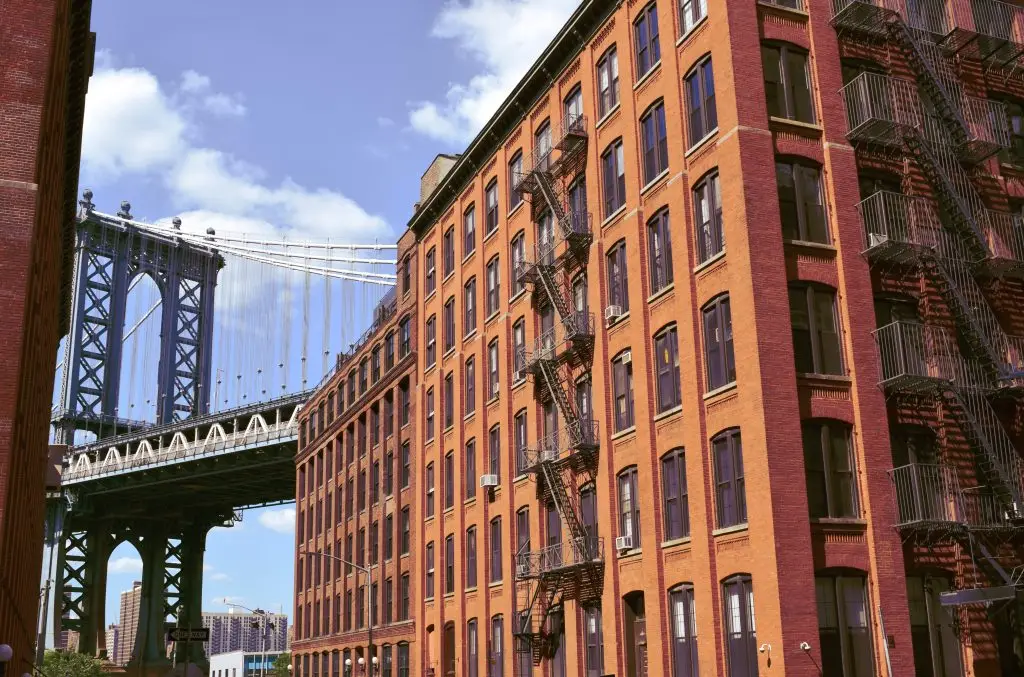
Across Brooklyn, hundreds of school buildings operate inside a wide array of facilities. Students attend class in century-old brick landmark structures, mid-century concrete complexes, and newly constructed, modern campuses. Managing water quality across this diverse architectural footprint requires a level of precision that goes far beyond checking a regulatory box. To truly safeguard developing children, Brooklyn educational facilities need better, more comprehensive drinking water intelligence.
The Unique Sensitivity of the Student Population
The primary driver behind the push for advanced water diagnostic data in schools is the unique biology of the occupants. Children are not simply smaller adults; their bodies absorb environmental inputs at a accelerated rate. According to toxicological profiles tracked by federal environmental agencies like the Environmental Protection Agency (EPA), developing nervous systems are uniquely vulnerable to low-level heavy metal exposure.
Lead exposure, even at trace levels measured in single-digit parts per billion ($\text{ppb}$), can have measurable impacts on a child’s cognitive development, attention span, and academic performance. Because children spend up to eight hours a day, five days a week, inside school facilities, the water fountains, cafeteria pot fillers, and classroom sinks they utilize must be held to the highest possible diagnostic standards. Relying on generalized urban averages or infrequent, minimal screening creates an unacceptable blind spot for student public health.
Why School Infrastructure Distorts Water Quality
While municipal water entering a school property line undergoes extensive treatment and meets strict safety standards, its final composition at the individual fountain depends entirely on the building’s internal plumbing network. School structures introduce unique physical and mechanical variables that can rapidly degrade water quality:
1. Extreme Stagnation Cycles
Unlike commercial offices or residential apartment complexes that maintain a relatively consistent, 24-hour water demand, school buildings experience highly volatile usage patterns. Water sits completely motionless inside extensive horizontal mains and vertical risers overnight, over long weekends, during holiday breaks, and across the entire summer vacation window.
During these periods of stagnation, water acts as a natural solvent, steadily leaching heavy metals from older brass valves, copper lines, and legacy solder joints. Furthermore, stagnant water allows residual chlorine disinfectants to decay, paving the way for microscopic biological biofilms to take root inside the plumbing.
[Summer / Weekend Break] ➔ [Extended Water Stagnation] ➔ [Chlorine Disinfectant Decay] ➔ [Bacterial Biofilms]
                                                         ➔ [Heavy Metal Leaching]     ➔ [Elevated Lead/Copper]
2. Complex, Hybrid Mechanical Layouts
Many school buildings in historical Brooklyn neighborhoods have undergone multiple expansions, renovations, and plumbing repairs over generations. A single facility might house a patchwork plumbing system where modern, lead-free fixtures on one floor are fed by mid-century copper risers, which are connected directly to century-old main headers in the basement.
This mixing of materials creates localized chemical micro-climates within the building. It can even trigger galvanic corrosion—an electrochemical process that accelerates pipe degradation and sediment release when dissimilar metals touch—making a single-point test completely useless for evaluating total building safety.
Administrators looking to address these structural variations can design a targeted water testing strategy that maps out the unique physical footprint of their specific campus.
Moving Beyond Simple Pass-Fail Compliance
To address water safety, New York State mandates that public schools perform regular lead screenings. While these compliance rules are among the most protective in the country, viewing water quality exclusively through a narrow, regulatory pass-fail lens falls short of true risk management.
A school water report might show that a specific water fountain is technically compliant because its lead level registers at $4 \text{ ppb}$—just under the state’s strict action threshold of $5 \text{ ppb}$. However, a binary pass-fail checklist marks this as a success and moves on.
Advanced drinking water intelligence interprets this data differently. A score that close to the threshold serves as an early warning sign that localized heavy metal leaching is actively occurring behind the wall. By demanding high-resolution, quantitative laboratory reports instead of basic checklists, facilities directors can catch these infrastructure vulnerabilities early, scheduling targeted pipe or valve remediation before the outlet ever spikes into an active violation.
| Evaluation Metric | Basic Compliance Screening | Comprehensive Water Intelligence | School Operational Value |
| Heavy Metals | Identifies if lead exceeds a single threshold. | Tracks exact parts-per-billion ($\text{ppb}$) values. | Acts as a leading indicator of infrastructure decay before violations occur. |
| Plumbing Chemistry | Omitted from standard rules. | Measures exact pH, hardness, and corrosivity indexes. | Predicts and prevents scale buildup in cafeteria boilers and heating loops. |
| Biological Profile | Typically evaluated only during active health crises. | Screens for total coliform and localized bacterial biofilms. | Identifies stagnant pipe legs that require automated flushing protocols. |
| Data Integrity | Useful for basic administrative sign-offs. | Generates a legally defensible historical record. | Minimizes liability and builds total transparency with parents and staff. |
Managing Multi-Facility and Repurposed Classrooms
The geographic landscape of Brooklyn’s educational options complicates facility management. Beyond traditional public campuses, the borough houses a dense network of charter schools, private academies, and early-childhood daycare centers. Many of these institutions occupy unique, repurposed spaces, such as converted commercial properties, historical brownstones, or specific floors within high-occupancy Brooklyn buildings.
In these mixed-use environments, school operators cannot control how water behaves before it reaches their dedicated suite. If the broader commercial building experiences low-flow conditions, or if the main line suffers from localized water quality issues due to aging risers, the school’s tap water can be directly impacted. High-resolution point-of-use intelligence allows independent school operators to audit their incoming water lines, giving them the data necessary to hold property owners accountable or install precision point-of-use filtration systems.
Developing an Advanced School Water Intelligence Program
To transition from a reactive posture to an advanced operational model, educational facility directors should implement a structured water intelligence protocol:
- Execute Comprehensive Multi-Point Baseline Testing: Sample water from every primary point of student consumption, including dedicated water bottle filling stations, nurse’s office sinks, and kitchen food-prep taps.
- Utilize Strict First-Draw Protocols: Always collect samples first thing in the morning following a documented period of plumbing stagnation. This captures the true chemical exposure profile of the building before water has been run or flushed.
- Analyze Surrounding Corrosion Metrics: Couple heavy metal screening with basic chemistry evaluations like pH, alkalinity, and total dissolved solids (TDS). Tracking these metrics allows engineers to evaluate the water’s corrosivity index, ensuring that the water supply is not actively eating away at internal plumbing connections.
- Publish Clear, Data-Driven Documentation: Maintain full laboratory records on the school’s public portal. Providing transparent, parts-per-billion data builds deep trust with parents, faculty unions, and the local community.
Securing a Safer Environment for Learning
Every child in Brooklyn deserves access to clean, safe, and uncompromised drinking water while developing their minds at school. Managing this essential utility requires moving past basic regulatory minimums and embracing deep data clarity. By investing in sophisticated, laboratory-grade drinking water intelligence, school administrators protect their valuable mechanical infrastructure, minimize institutional liabilities, and ensure a healthy foundation where students can thrive.
To learn how a tailored, professional analysis can secure the environmental health of your educational facility, visit Water Testing Brooklyn and establish an advanced water diagnostics plan for your school today.