
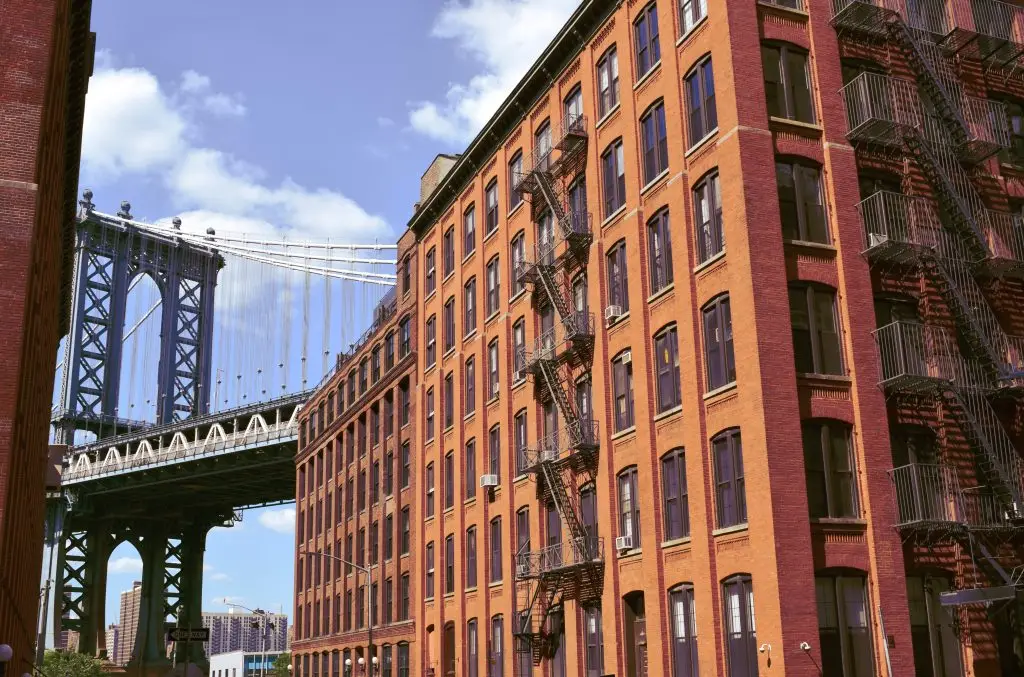
Prospect Heights is a neighborhood defined by architectural harmony and structural contrast. Bordered by the cultural anchors of the Brooklyn Museum, the Brooklyn Botanic Garden, and the bustling Atlantic Yards, this vibrant community showcases a remarkably diverse real estate footprint. On a single block, high-density, modern luxury high-rises overlook rows of meticulously preserved 19th-century brownstones, mid-century co-ops, and repurposed multi-family walk-ups.
This rich diversity in housing stock makes Prospect Heights one of Brooklyn’s most desirable places to live. However, for property managers, co-op boards, and real estate investors, this housing mix introduces a complex operational reality. When it comes to managing indoor environmental safety and verifying tap water quality, there is no one-size-fits-all solution. Prospect Heights buildings perfectly demonstrate why a neighborhood’s unique housing mix directly shapes its infrastructure management and why a precise, tailored diagnostic approach is vital.
The Plumbing Footprint Across Different Building Vintages
The variation in property types across Prospect Heights means that water traveling from municipal water mains enters widely divergent plumbing ecosystems. While municipal water entering the neighborhood complies with strict safety guidelines monitored by public authorities like the Environmental Protection Agency (EPA), its chemistry begins to change based entirely on the age and material composition of the building’s internal pipes.
1. Historical Townhouses and Brownstones
The architectural backbone of Prospect Heights consists of its classic 19th-century row houses. These properties often feature multi-generational, patchwork plumbing networks. It is common to find modern, flexible PEX lines or copper branches connected to vintage galvanized iron headers or legacy lead-soldered joints. Because water acts as a natural solvent, it can slowly leach heavy metals like lead and copper from these older alloys during periods of inactivity, creating localized risks that vary from one property to the next.
2. Pre-War Co-ops and Mid-Century Multi-Family Buildings
The larger residential brick complexes lining Prospect Heights’ avenues introduce an entirely different mechanical layout. These properties rely on extensive vertical risers and horizontal distribution mains to pump water across multiple floors. Over decades of service, legacy iron and copper mains naturally accumulate scale and internal oxidation. Minor fluctuations in building water pressure can cause this internal pipe crust to fracture, leading to sporadic sediment bursts or rusty water complaints at the tenant’s tap.
3. Modern Luxury High-Rises
The newer, high-density developments framing the neighborhood feature state-of-the-art materials like commercial-grade stainless steel and modern synthetic lines. However, these complex, high-occupancy structures introduce a unique modern challenge: water stagnation. In large buildings with volatile tenant occupancy patterns, water can sit motionless for extended periods in lengthy horizontal loops. This stagnation accelerates the decay of residual chlorine disinfectants and creates localized micro-climates where biological biofilms can take root.
[Historic Brownstone] ➔ Patchwork Infrastructure ➔ Lead Solder / Legacy Joints  ➔ Metal Leaching Risk
[Pre-War Co-op]       ➔ High-Volume Risers     ➔ Internal Rust Accumulation ➔ Sediment Burst Risk
[Modern High-Rise]    ➔ Complex Utility Loops  ➔ Chlorine Disinfectant Decay ➔ Biofilm Growth Risk
Why a Generic Strategy Fails in a Diverse Housing Mix
Because the underlying physical infrastructure changes completely from one building style to the next, a single, standardized approach to environmental testing is fundamentally flawed. A landlord operating a modern high-rise must monitor for entirely different environmental risks than a brownstone owner or a co-op board member.
For example, a standard check-box screening might confirm that water leaving a basement main is completely clean. However, that baseline report is essentially meaningless for a tenant living on the fourth floor of a pre-war building with aging vertical risers. To capture these address-specific variations, property owners must implement a comprehensive water testing strategy that accounts for the specific age, layout, and occupancy dynamics of their individual structure.
| Property Type | Common Mechanical Layout | Primary Water Quality Risk | Target Diagnostic Approach |
| Historical Row House | Patchwork layout; hybrid copper, PEX, and vintage lead/iron lines. | Heavy metal leaching from legacy solder joints and old brass fixtures. | First-draw sampling from primary consumption taps to capture trace-level metals. |
| Pre-War Co-op | Extensive vertical riser networks and central distribution headers. | Particulate rust shedding, localized galvanic corrosion, and pressure-drop sediment. | Multi-point analysis comparing basement entry water directly to upper-floor units. |
| Modern High-Rise | Complex horizontal loops, booster pumps, and large storage vessels. | Rapid disinfectant decay in low-flow lines, facilitating biological biofilm growth. | Screening for microbial indicators and checking residual disinfectant stability. |
Addressing Micro-Climates and Address-Specific Anomalies
The dense housing mix in Prospect Heights means that neighboring properties can experience completely different water quality issues based on localized variables. If a nearby street infrastructure project dislodges historical sediment beneath a specific block, a modern building equipped with high-flow central filtration might easily buffer the impact, while an adjacent pre-war co-op experiences sudden turbidity spikes that clog appliance valves and foul local water lines.
Additionally, internal chemical reactions like galvanic corrosion are highly address-specific. This electrochemical process occurs when two dissimilar metals—such as an original galvanized iron main and a modern copper replacement pipe—are directly joined without an insulating dielectric union. In this scenario, mildly corrosive water acts as an electrolyte, creating an unintended micro-battery cell behind the walls that rapidly degrades the iron pipe. This leads to chronic discolored water and premature joint failures that can remain completely hidden until a catastrophic leak occurs.
Building Operational Intelligence and Long-Term Value
To successfully navigate the challenges of Prospect Heights’ diverse architectural landscape, property managers and co-op boards must shift from a reactive posture to a proactive asset-management model:
- Forensically Map Your Building’s Plumbing: Document the exact pathway water takes through your asset. Identify any vintage pipe sections, legacy material junctions, or low-use “dead legs” that could be vulnerable to stagnation or corrosion.
- Implement Multi-Point Spatial Testing: Do not assume a single sample from a basement utility room represents the entire property. In multi-family Brooklyn buildings, collect water samples from multiple distinct zones—including the lower levels, upper risers, and the furthest points of use—to identify exact spatial variations in water chemistry.
- Track Core Corrosion Indicators: Look beyond simple pass-fail metrics. Evaluate parameters like pH, alkalinity, total dissolved solids (TDS), and calcium hardness to calculate the water’s saturation index. If the index is highly negative, the water is aggressively corrosive and will systematically strip away internal pipe linings over time.
- Maintain a Chronological Ledger: Run comprehensive laboratory panels on a regular, annual cadence. Maintaining a continuous, multi-year archive of certified data allows you to spot creeping heavy metal levels or infrastructure decay early, letting you deploy targeted repairs before they escalate into costly compliance violations or structural failures.
Safeguarding Your Real Estate Investment
Prospect Heights’ vibrant mix of architectural eras is a testament to Brooklyn’s rich neighborhood history and enduring appeal. However, preserving the value of these diverse real estate assets requires looking behind finished walls and actively managing the complex utility frameworks that sustain daily life. By investing in high-resolution, laboratory-grade diagnostics tailored to your building’s unique vintage, you protect your infrastructure, reduce property liabilities, and ensure a pristine, uncompromised water supply for every resident.
To discover how a professional, tailored analysis can map out the exact health of your building’s plumbing network, explore the advanced diagnostic solutions at Water Testing Brooklyn and establish a definitive baseline for your property today.