
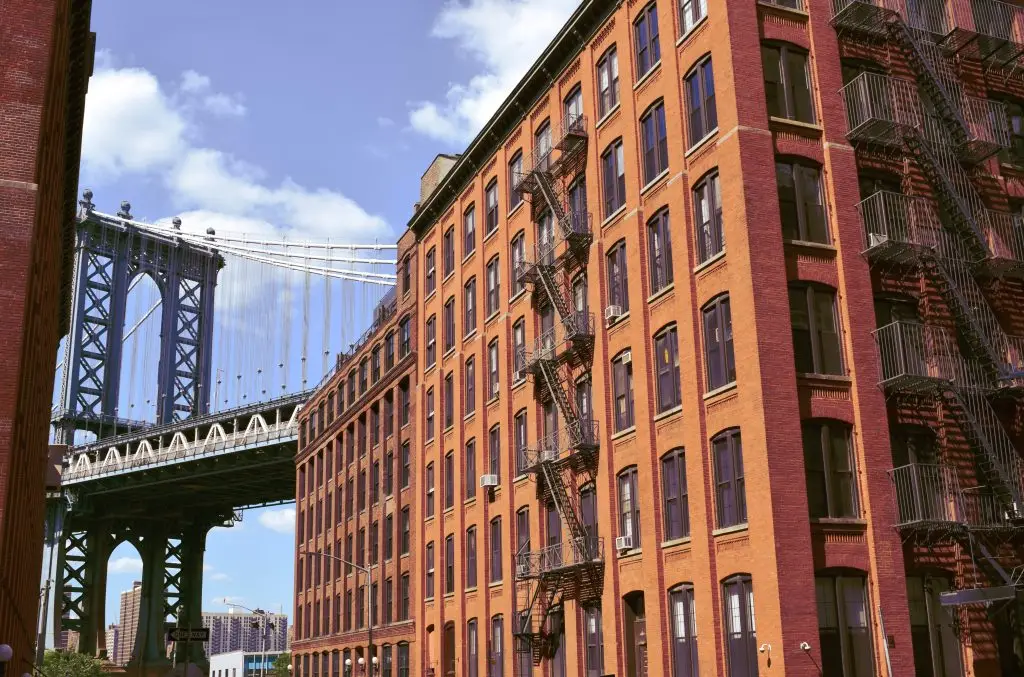
The hospitality sector in Brooklyn is experiencing an unprecedented golden era. From sleek, boutique luxury hotels in Williamsburg and retrofitted industrial spaces in the Navy Yard to historic boutique properties in Brooklyn Heights, the borough has become a premier global destination. In a world driven by digital reviews and immediate guest feedback, hoteliers obsess over every detail of the guest experience: acoustic insulation, ambient lighting, mattress density, and hyper-localized culinary programs.
Yet, one of the most critical daily inputs a guest interacts with—the property’s water supply—is frequently managed using an entirely outdated framework. Many hospitality operators treat water quality as a simple, binary compliance hurdle. They order basic, required municipal checks and focus solely on whether the water passes a fundamental potability standard.
For high-end hospitality brands, a simple “pass-fail” grade is an operational blind spot. Industry data indicates that up to 68% of hospitality properties have at least one water system zone operating outside optimal parameters at any given time. To protect multi-million dollar mechanical assets, limit massive operational liabilities, and deliver an uncompromised guest experience, Brooklyn hospitality properties need deep, actionable operational water data.
The Operational Reality of Volatile Hospitality Fluid Dynamics
The underlying mechanics of a hotel plumbing network are fundamentally different from those of an office building or a standard residential complex. Hotels operate on a highly volatile fluid dynamics model dictated by fluctuating occupancy rates.
During a high-volume convention weekend or peak holiday season, a 200-room Brooklyn hotel runs at 100% capacity. Water moves rapidly and continuously through primary mains, central boiler loops, and individual guest room risers. This massive, continuous draw ensures that municipal chlorine residuals remain fresh and active throughout the entire plumbing matrix.
However, during mid-week lulls or off-season periods, occupancy can plummet sharply. When a specific wing or floor of a hotel sits vacant for days at a time, the water inside those horizontal branch lines and localized pipe runs becomes completely stagnant.
[Peak Occupancy / High Flow] ➔ Fresh Disinfectant Moving ➔ Active Residuals ➔ Stable Chemistry
[Low Occupancy / Vacant Wing] ➔ Water Stagnation Occurs  ➔ Disinfectant Decay ➔ Biofilm Proliferation
                                                                           ➔ Heavy Metal Leaching
Water stagnation is the root cause of the most severe water quality issues in hospitality environments. As water sits motionless, residual disinfectants naturally decay, dropping to zero. Without this protective chemical shield, microscopic biological communities can rapidly settle along the inner walls of the pipes, developing into a resilient matrix known as a biofilm.
Furthermore, stagnant water allows localized chemical leaching to run to completion, causing trace heavy metals like lead and copper to accumulate to high concentrations, which present themselves as a metallic taste or a discolored stream the next time a guest checks into that room.
The Invisible Threat of Pathogen Cultivation
For a hotelier, the ultimate liability is a biological outbreak, particularly involving Legionella pneumophila—the bacteria responsible for Legionnaires’ disease. Legionella does not typically stem from a sudden municipal failure; it naturally exists in trace, undetectable numbers within municipal water systems. The hazard materializes entirely inside the private property infrastructure when water is allowed to stagnate within a specific thermal window ($77^\circ\text{F}$ to $108^\circ\text{F}$).
Hotels are highly complex environments uniquely optimized for aerosolizing water. Every luxury rain-shower head, high-pressure guest bathroom faucet, decorative lobby fountain, rooftop spa, and commercial HVAC cooling tower functions as an efficient aerosol vector. If Legionella has colonized a low-flow “dead leg” or an unmonitored hot water recirculation loop, the bacteria can be carried directly into a guest’s respiratory system via the fine mist generated by a normal shower or fountain.
Relying on basic compliance checklists will entirely miss these localized microbial micro-climates. Advanced risk management requires an address-specific water testing strategy that explicitly monitors biological indicator profiles and tracks disinfectant stability across all functional loops of the property.
Preserving the Back-of-House Capital Investment
While front-of-house water issues present massive public relations and liability risks, back-of-house chemical instability quietly erodes a property’s net operating income. Luxury hospitality properties rely heavily on massive, water-dependent machinery to sustain daily operations:
- Centralized Boilers and Commercial Water Heaters: Delivering continuous, high-volume hot water across multiple floors.
- Commercial Laundry and Warewashing Loops: Operating continuously to process thousands of pounds of linens and kitchenware daily.
- Rooftop Cooling Towers and Chiller Barrels: Managing the precise climate control of the entire asset.
A comprehensive laboratory profile evaluates water chemistry parameters including pH, total dissolved solids (TDS), alkalinity, and calcium hardness. When analyzed together, these operational data metrics allow facilities engineers to calculate the water’s exact saturation index (such as the Langelier Saturation Index, or LSI).
If your operational data reveals a highly positive LSI, the water is scale-forming. Minerals will actively precipitate out of the stream, depositing a rock-hard mineral crust across internal heating elements and boiler tubes. A mere 1.5mm of scale buildup inside a commercial water heater can reduce thermal efficiency by over 10%, quietly driving up building energy expenditures and forcing premature equipment failure.
Conversely, a negative LSI signals aggressively corrosive water that will eat away at older brass valves, copper lines, and structural joints, creating hidden pinhole leaks inside finished guest-room walls.
| Operational Dimension | Basic Compliance Screening | Advanced Operational Data | Hospitality Practical Value |
| Heavy Metals | Checks if lead/copper exceed a single ceiling limit. | Tracks exact parts-per-billion ($\text{ppb}$) variations. | Detects internal pipe leaching in vacant wings before guests complain. |
| Microbiological Profile | Minimal, infrequent check-box screening. | Explores specific Legionella and Total Coliform counts. | Mitigates public health liabilities and guides preventative water safety plans (ASHRAE 188). |
| Water Chemistry | Omitted entirely from basic potability tests. | Quantifies pH, Hardness, Alkalinity, and LSI scores. | Eliminates unexpected capital expenditures by protecting commercial boilers and chillers. |
| Disinfectant Residuals | Typically completely ignored. | Tracks free and total chlorine concentrations. | Identifies stagnant zones that require automated flushing protocols. |
Designing an Advanced Water Intelligence Protocol for Brooklyn Hotels
To successfully transition from a reactive model to a proactive, data-driven operational framework, hospitality asset directors should implement a structured water intelligence routine:
- Map Your Representative Zones Forensically: Document the complete plumbing blueprint of the property. Identify all vertical riser bases, dead-end line extensions, and any low-flow zones that are inherently vulnerable to stagnation.
- Execute Spatial Multi-Point Testing: Do not assume a single sample from a basement mechanical room represents the entire facility. In high-occupancy Brooklyn buildings, collect water samples simultaneously across multiple tiers—including the primary municipal meter, central hot water loops, rooftop cooling towers, and the furthest guest-room fixtures on the top floor.
- Calibrate Testing to Specific Seasonal Cadences: Run comprehensive laboratory panels semi-annually, prioritizing seasonal transitions when indoor climate changes alter water temperatures and occupancy spikes alter transit velocity.
- Maintain a Legally Defensible Compliance Log: Archive precise, part-per-billion laboratory reports within your property management system. This long-term chronological data provides definitive proof of diligent property stewardship, which is invaluable during insurance underwriting renewals or brand-standard audits.
Safeguarding Your Brand and Infrastructure
In a sophisticated, hyper-competitive real estate and travel market like Brooklyn, relying on a basic pass-fail check is an unacceptable operational liability. True asset protection, regulatory defense, and luxury service execution require complete operational transparency. By demanding high-resolution analytical reporting, hospitality owners protect their multi-million dollar mechanical infrastructure, insulate their brands from catastrophic liability, and ensure a pristine, uncompromised environment for every guest.
To move past basic checklists and secure an advanced diagnostic evaluation for your hospitality property, explore the comprehensive testing and consulting solutions available at Water Testing Brooklyn and optimize your building’s utility management today.