
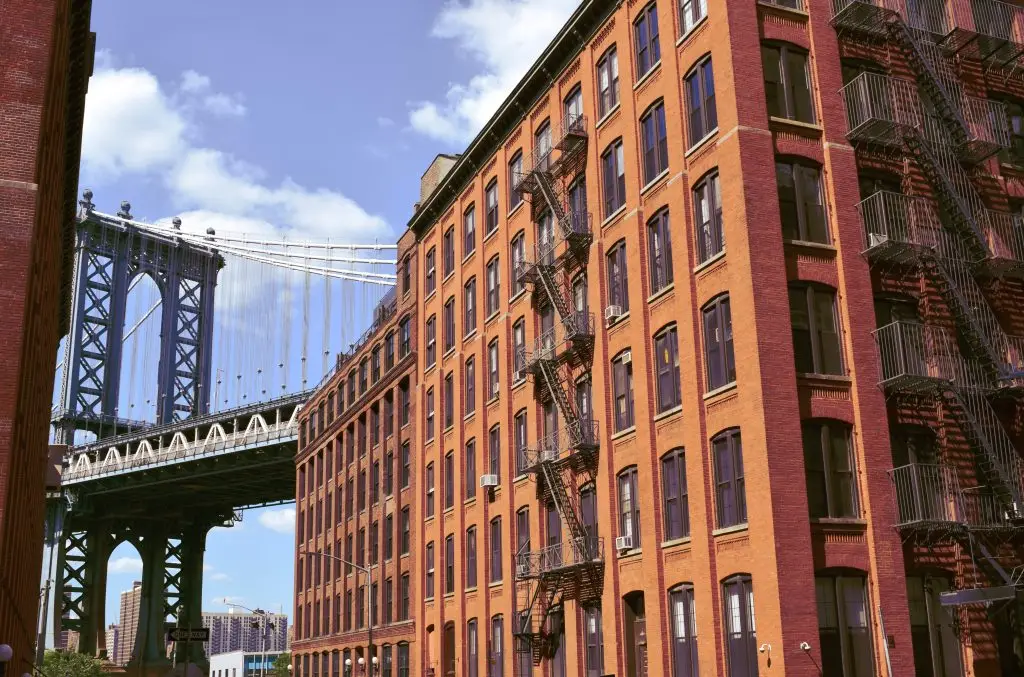
Queens is home to thousands of pre-war and mid-century apartment buildings, prized for their character and affordability but often hiding water systems that are decades old. For renters, that age can carry real consequences: aging pipes, lead solder, and long-neglected storage tanks can all affect the water flowing from the tap. Understanding these risks is where water testing companies Queens become a valuable resource, giving renters and building owners clear, science-backed answers about what is actually in the water. A professional testing company collects samples from a building’s taps, analyzes them in a certified laboratory, and reports exactly which contaminants are present and whether the water meets safety standards. For renters who often have little visibility into their building’s plumbing, this information is empowering. This article explains what renters in older Queens apartment buildings should know about their water systems, the risks worth understanding, and the steps that help ensure the water they drink every day is safe.
Why Older Buildings Deserve Extra Attention
The charm of an older Queens apartment often comes with infrastructure that has not kept pace with modern standards. Many of these buildings were constructed at a time when materials now known to be hazardous, such as lead pipes and lead solder, were standard. Decades of use, corrosion, and inconsistent maintenance can compound these original risks.
For renters, the challenge is that water systems are largely invisible. You cannot see the pipes behind the walls or inspect the storage tank on the roof. Water can look and taste completely normal while still carrying contaminants introduced by aging infrastructure. This gap between appearance and reality is precisely why understanding your building’s water system matters.
Common Water Risks in Older Queens Apartments
Older apartment buildings share several water quality challenges. Knowing what these are helps renters understand what to watch for and what to ask about.
Lead From Pipes and Fixtures
Lead is the most well-known risk in older buildings. Lead service lines, lead solder joining copper pipes, and older brass fixtures can all leach lead into drinking water. Because lead is invisible, tasteless, and odorless, and because there is no safe level of exposure, it is a primary concern in any aging building.
Aging and Corroding Pipes
Over decades, pipes corrode, accumulate sediment, and develop weak points. Corrosion can release metals into the water and create rough surfaces where bacteria can take hold. Rusty or discolored water is sometimes a visible sign, but many pipe-related problems remain invisible without testing.
Rooftop and Basement Storage Tanks
Many older Queens buildings rely on storage tanks to maintain water pressure. If these tanks are not regularly cleaned, sealed, and maintained, they can harbor sediment and bacteria. Because a single tank often serves an entire building, a problem there can affect many apartments at once.
Stagnation in Low-Use Plumbing
In buildings with vacant units or seldom-used fixtures, water can sit stagnant in the pipes. Stagnant water can lose its protective disinfectant and absorb metals from the plumbing, elevating the concentration of certain contaminants, especially in first-draw water that has been sitting overnight.
What Renters Should Know About Their Rights and Responsibilities
Renters often feel powerless when it comes to their building’s infrastructure, but understanding the basics helps them advocate for safe water.
Generally, building owners and landlords are responsible for maintaining safe, habitable conditions, which includes the plumbing and water systems that serve tenants. While the specifics vary, renters have a legitimate interest in the safety of their drinking water and can reasonably raise concerns with their landlord or property manager. Documenting issues, such as discoloration, odd tastes, or staining, and requesting testing are practical steps renters can take. When a landlord is responsive, testing benefits everyone; when concerns go unaddressed, renters may have avenues to pursue depending on local regulations.
Warning Signs Renters Should Watch For
While many contaminants are invisible, certain signs can hint at underlying water system problems and warrant closer attention.
- Discoloration, such as brown, yellow, or rusty water, which may indicate corroding pipes
- Unusual tastes or odors, including metallic, musty, or strong chlorine smells
- Staining on sinks, tubs, or fixtures, often a sign of metals or minerals in the water
- Cloudiness or sediment, which can point to particles or disturbances in the system
- Changes after building work, since plumbing repairs or outages can stir up contaminants
These signs do not always indicate a serious problem, but they are good reasons to request testing. Just as importantly, the absence of these signs does not guarantee safety, since the most dangerous contaminants often leave no trace.
How Professional Testing Gives Renters Clarity
For renters uncertain about their water, professional testing replaces guesswork with facts. A certified laboratory can reveal exactly what is in the water and whether it is safe.
Comprehensive Analysis
Professional testing examines water across three dimensions:
- Physical analysis measures clarity, color, and dissolved solids, revealing visible warning signs
- Chemical analysis quantifies contaminants such as lead, copper, nitrates, and PFAS
- Microbiological analysis screens for bacteria, including coliform and E. coli
Accurate, Certified Results
Certified laboratories use advanced instruments that detect contaminants at extremely low concentrations, far beyond what any home kit can achieve. Proper first-draw sampling, especially important for lead, ensures the results reflect the water renters actually drink. Clear reporting then translates the data into practical understanding.
Steps Renters Can Take to Protect Themselves
Even within the limits of renting, there are meaningful steps tenants can take to safeguard their water and their health.
- Request testing from your landlord, or arrange professional testing to understand your water
- Flush your tap by running cold water for a short time when it has been sitting, especially first thing in the morning
- Use cold water for drinking and cooking, since hot water can leach more lead from pipes
- Consider certified filtration matched to any contaminants that testing reveals
- Document and communicate concerns to your landlord in writing, keeping a record of issues and responses
These practical measures, informed by testing, help renters take control of their water safety even when they do not control the building’s plumbing.
Who Should Prioritize Water Testing in Older Buildings?
- Renters in pre-war or mid-century buildings, where lead and aging pipes are common
- Families with infants, young children, or pregnant residents, who face the highest risks
- Tenants noticing warning signs like discoloration, odd tastes, or staining
- Residents of buildings with rooftop or basement storage tanks
- Anyone moving into an older apartment with an unknown plumbing history
Because the most serious contaminants are invisible, renters cannot rely on appearance alone. Testing is the only dependable way to know what is truly in the water.
Frequently Asked Questions
Is my water unsafe just because I live in an older building?
Not necessarily, but older buildings carry a higher risk of issues like lead and corroding pipes. Age alone does not confirm a problem, and it does not rule one out either. Testing is the only way to know for certain what is in your water.
Isn’t my landlord responsible for the water?
Landlords are generally responsible for maintaining safe, habitable conditions, including plumbing. However, renters have a genuine interest in their water’s safety and can request testing, document concerns, and take protective steps within their own apartment.
Can I test the water myself as a renter?
Yes. Renters can arrange professional water testing, which provides accurate, certified results. This can be valuable when you have concerns and want reliable answers, whether or not your landlord has arranged testing.
Does running the tap before use really help?
It can. Flushing the tap with cold water clears out water that has been sitting in the pipes, where it may have absorbed metals like lead. Using cold water for drinking and cooking also helps, since hot water leaches more lead.
What contaminants matter most in older Queens apartments?
Lead is typically the top concern due to older pipes and fixtures, followed by bacteria linked to storage tanks and aging plumbing. The right testing panel depends on your building’s specific age and history, which a professional provider can help determine.