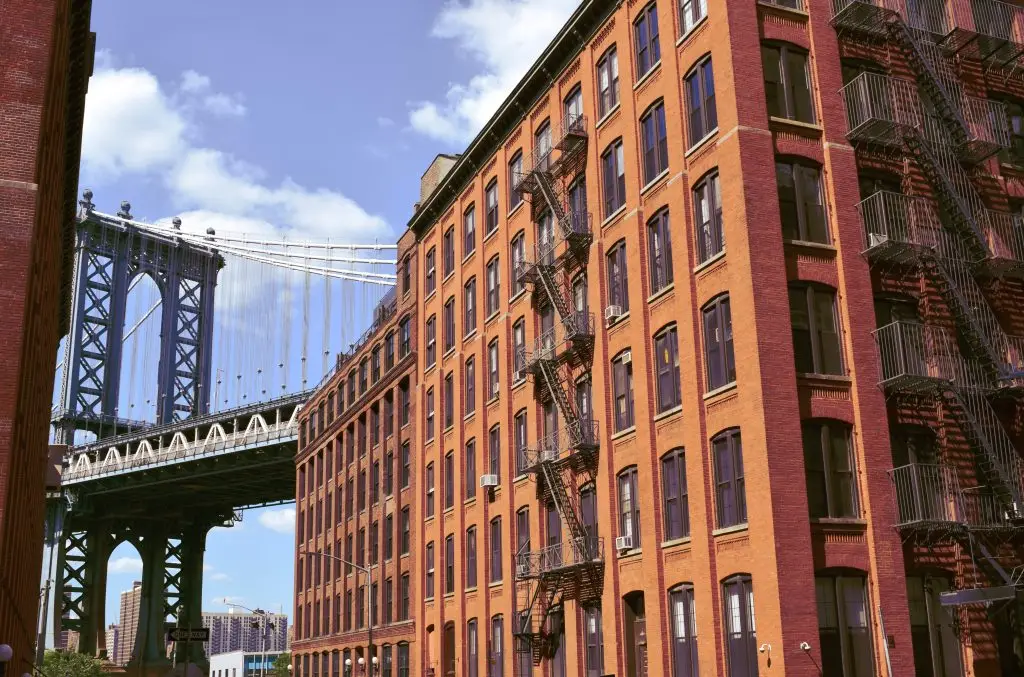
Brooklyn Heights is known for its historic elegance, but many of its townhouses also hide complex and outdated plumbing systems behind beautifully preserved façades. Water testing companies NYC play an important role in identifying hidden water quality issues that may arise from layered plumbing histories, aging materials, and undocumented repairs.
As America’s first suburb, the neighborhood is celebrated for its Federal, Greek Revival, and Gothic Revival townhouses, yet beneath their original floors and ornate detailing, water safety concerns can still exist. In 2026, as New York City strengthens environmental safety standards, property owners can no longer rely on historic charm alone. Professional water analysis provides the technical certainty needed to uncover risks, protect residents, support compliance, and preserve both the character and safety of these homes.
The “Archaeology” of Townhouse Plumbing
Restoring a Brooklyn Heights townhouse is often an exercise in archaeology. Because these homes have been occupied continuously for over 150 years, their internal systems are rarely uniform. It is common to find a “hybrid” plumbing stack that tells the story of various decades:
- Original Lead and Iron: In homes that haven’t seen a full gut renovation, original lead service lines or cast-iron waste stacks may still be in use.
- The Copper Era: Mid-century renovations likely introduced copper piping, often joined with lead-based solder (which wasn’t banned in NYC until 1987).
- Modern PEX and Plastic: Recent “unit-level” kitchen or bath remodels may have introduced flexible PEX piping into the mix.
This mix of materials can lead to localized water quality issues. When different metals touch, they can create a galvanic reaction that accelerates corrosion. In these Brooklyn buildings, a brown tint in the water might be iron from a 1920s riser, while elevated lead levels could be coming from the solder in a 1970s “upgrade.”
The Lead Pipe Right to Know Act and Your Service Line
A major shift for Brooklyn Heights in 2026 is the public availability of data from the Lead Pipe Right to Know Act. State and city agencies have now mapped millions of service lines, and many historic townhouses are flagged as having “possible lead” or “unknown” connections to the city main.
For a townhouse owner, this isn’t just a health concern; it’s a property value concern. According to recent DEP guidelines, properties with confirmed lead service lines are under increasing pressure to modernize. Proactive water testing is the first step in verifying if a “possible lead” service line is actually leaching contaminants into your home’s drinking water.
Stagnation in Multi-Story Living
Brooklyn Heights townhouses are typically three to five stories tall. This verticality introduces the risk of water stagnation, particularly in guest suites or top-floor bathrooms that may not be used daily.
When water sits in older pipes for extended periods, the protective mineral coating inside the pipe can break down, and disinfectant residuals (chlorine) can dissipate. This allows metals to leach more easily and creates an environment where bacteria can flourish. Professional testing services often reveal that water quality on the parlor floor is perfectly safe, while a rarely-used top-floor tap shows significantly higher contaminant levels.
Protecting the Investment: Renovation and Preservation
For those planning a renovation in one of the borough’s many historic locations, water analysis should be a “Day One” priority. Knowing the chemical profile of your water allows you to:
- Select the Right Materials: If your water has a specific pH balance, certain types of modern piping or high-end European fixtures may be more prone to corrosion.
- Surgical Infrastructure Replacement: Instead of a “gut” replacement that destroys historic plaster, data can help you identify exactly which risers are failing.
- Filtration Strategy: Most townhouse owners opt for point-of-entry (POE) filtration. Careful analysis ensures you aren’t overpaying for a system that filters out minerals you don’t have, while missing the ones you do.
Many owners check our faq to understand how to interpret lab results in the context of a historic home renovation.
The Social and Market Value of Water Safety
In 2026, “safe water” has become a luxury amenity. In a neighborhood as prestigious as Brooklyn Heights, buyers are increasingly asking for water quality reports as part of the closing process. Having a history of certified analysis—shared perhaps through a neighborhood blog or as part of the home’s “history book”—demonstrates a level of meticulous stewardship that justifies a premium price.
Conclusion
The townhouses of Brooklyn Heights are some of the most beautiful homes in the world, but their beauty depends on an infrastructure that is often “out of sight, out of mind.” By replacing guesswork with careful, certified water analysis, owners can ensure that their home’s long plumbing history doesn’t become a liability for its future.
Don’t let your townhouse’s history hide a health risk. If you are a resident or manager of a historic property in the Heights, contact our team today for a comprehensive evaluation. We specialize in the unique challenges of Brooklyn’s oldest neighborhoods, providing you with the technical foundation to protect your home and your family.