
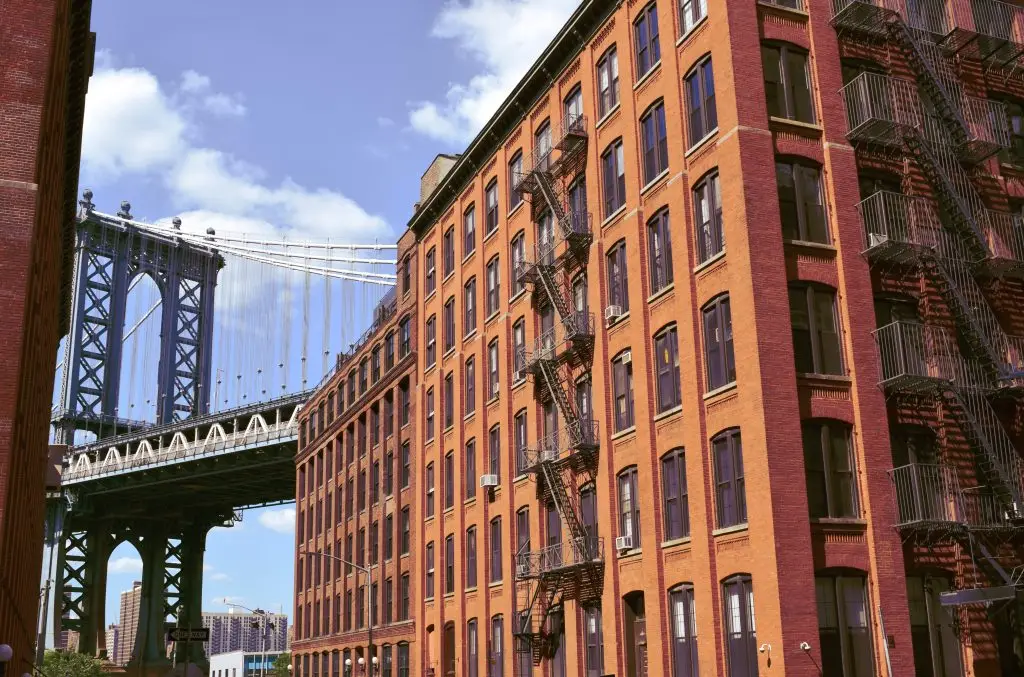
The tree-lined streets of Carroll Gardens are famous for their historic charm, defined by deep front garden courtyards and classic 19th-century brownstones and townhouses. Water testing labs are especially valuable in neighborhoods like this, where aging infrastructure and preserved architecture often require more careful attention to hidden utility systems. For those fortunate enough to own or manage these prized properties, preserving their structural and historic integrity is a labor of love, but it also means paying close attention to the water flowing through the home.
A blanket approach to environmental safety is not enough, especially when the goal is to protect both public health and long-term property value. By using fixture-level testing, property owners can identify plumbing-related concerns, detect contaminants early, and make informed maintenance decisions that safeguard residents and the home itself.
The Hidden Complexity of Historic Plumbing Architecture
Many townhouses across Carroll Gardens feature a hybrid mix of plumbing materials installed over multiple generations. A single home might have a modern copper main inlet, old galvanized iron pipes behind the bathroom walls, and antique brass fixtures in a kitchen remodel from decades past.
According to data compiled by the New York City Department of Environmental Protection (DEP), municipal water delivered to the property line undergoes rigorous treatment and satisfies strict safety mandates. However, the moment that treated water crosses the threshold into a private plumbing network, its chemistry can change dramatically.
Because water is a natural solvent, its composition shifts as it travels through a building. Factors that alter water quality include:
- Stagnation Time: Water sitting overnight in a pipe can leach metals from the surrounding material.
- Material Galvanization: Dissimilar metals touching one another (like copper joined to iron) can accelerate pipe corrosion.
- Fixture Composition: Older brass faucets, even those modernized years ago, can still contain trace amounts of lead that leach directly into the water at the point of discharge.
A basic water test taken from a single location—or an average sample from the basement main—fails to capture these localized variations. This is why a fixture-by-fixture analysis is essential for identifying isolated vulnerabilities.
What is a Fixture-Level Testing Strategy?
A fixture-level testing strategy involves collecting and analyzing water samples directly from individual points of use throughout the townhouse. Rather than assuming the water quality is identical at every tap, this granular approach treats each kitchen faucet, bathroom sink, showerhead, and icemaker line as an independent ecosystem.
[Municipal Main] ➔ [Basement Service Line] ➔ [Internal Risers] ➔ [Individual Fixtures]
                                                                        ├── Kitchen Tap (Sample A)
                                                                        ├── Master Bath (Sample B)
                                                                        └── Garden Unit (Sample C)
By isolating specific taps, a specialized water testing strategy can pinpoint the exact origin of a contaminant. For instance, if a sample from the kitchen sink shows elevated lead levels but a sample from the basement main line is perfectly clear, the property owner knows instantly that the issue lies within the kitchen faucet or the specific pipe feeding it, rather than the entire building’s infrastructure.
Resolving Multi-Unit Vulnerabilities in Carroll Gardens
Many townhouses in the neighborhood operate as multi-family dwellings, featuring a landlord-occupied duplex alongside independent rental units, or multi-tiered apartments. This layout introduces unique variables to water distribution.
In multi-family Brooklyn buildings, water usage patterns vary wildly between floors. A garden-level apartment might experience high, consistent daily water use, while a top-floor unit owned by a frequent traveler might experience long periods of water stagnation. Stagnant water is far more susceptible to bacterial biofilm accumulation and heavy metal leaching.
| Testing Scope | What It Detects | What It Misses | Best Used For |
| Main Line Only | Incoming municipal contaminants, primary line integrity. | Secondary pipe leaching, fixture-specific lead, localized bacterial growth. | Establishing an initial building baseline. |
| Fixture-Level | Pipe-by-pipe degradation, fixture brass leaching, stagnant line bacteria. | Broad municipal system trends (unless compared to a baseline). | Target remediation, tenant safety, historic home renovations. |
Implementing a fixture-level strategy allows landlords to proactively identify and address localized water quality issues before they become tenant complaints, ensuring compliance with local housing standards and protecting building occupants on every floor.
Pinpointing Lead and Copper Leaching at the Source
For historic townhouses, the primary drivers behind water quality degradation are lead and copper. While federal regulations have drastically restricted lead in plumbing over recent decades, older brass fixtures and lead-based solder used to join copper pipes remain common in vintage homes.
Lead exposure poses significant health risks, particularly to children and pregnant individuals, making its eradication a top priority for families moving into the neighborhood. Because lead leaches into water primarily during periods of inactivity, a “first-draw” sample taken directly from a specific kitchen faucet after hours of non-use is the only reliable way to catch it.
If a townhouse owner relies on a composite sample or flushes the tap for several minutes before testing, the data will mask the localized spike in heavy metals, leaving residents exposed to invisible hazards during normal daily use.
Actionable Steps for Townhouse Owners
Transitioning to a localized testing model is straightforward and provides immediate clarity. Owners looking to optimize their home’s water health should adopt the following protocol:
- Map Your Fixtures: Identify all primary drinking, cooking, and bathing locations across the property, including dedicated filtration lines and refrigerator water dispensers.
- Execute First-Draw Sampling: Collect samples first thing in the morning before any water has been run. This captures the highest potential concentration of leached materials from individual fixtures.
- Compare Samples: Analyze the variance between different floors and fixtures to track down older, problematic plumbing lines hidden behind historic plaster walls.
- Remediate Strategically: Instead of committing to an expensive, full-building repiping project, use your fixture-level data to replace only the specific problematic faucets or pipe segments that are actively degrading your water quality.
Protecting Your Historic Investment
Preserving a townhouse in Carroll Gardens requires smart, data-driven decisions. By choosing a targeted, fixture-level evaluation over a generalized inspection, property owners gain the precise insights necessary to protect both their architectural investments and their families’ health.
To learn more about tailored sampling strategies or to schedule a localized analysis for your historic property, explore the regional expertise available at Water Testing Brooklyn and take complete control of your environment from the basement to the top floor.