
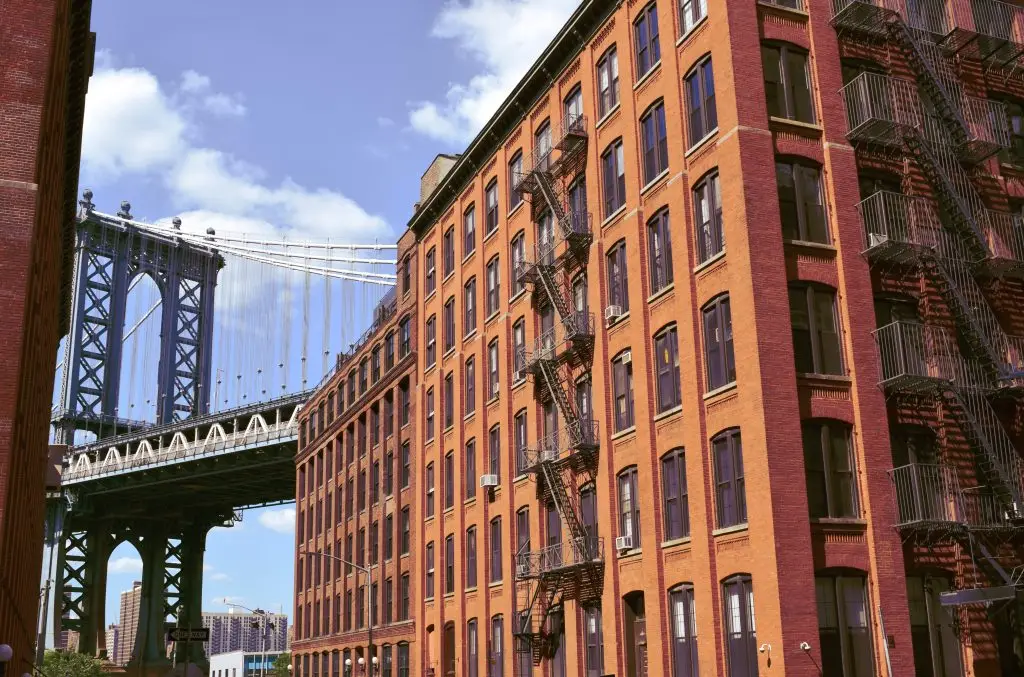
Cobble Hill is widely regarded as one of Brooklyn’s most architecturally preserved treasures. Defined by its exceptionally quiet atmosphere, mature tree canopies, and remarkable collection of 19th-century row houses, this historic district feels world’s away from the glass-and-steel high-rises of Downtown Brooklyn. The neighborhood’s continuous blocks of Greek Revival, Italianate, and Queen Anne townhouses represent significant historical value and considerable real estate investment.
For the homeowners, multi-unit landlords, and estate managers responsible for these properties, preservation is a multifaceted commitment. While significant attention is paid to maintaining brownstone facades, historical wood cornices, and structural cellars, the building’s internal utility profile requires equal diligence.
When it comes to verifying indoor environmental health, relying on standard water screening methods or generic municipal reports falls short. Because of the distinct infrastructure profiles found within these historic properties, Cobble Hill townhouses directly benefit from a much stronger, comprehensive water testing scope.
The Architectural Reality Behind the Plaster Walls
The timeless aesthetic of a Cobble Hill row house often conceals a highly intricate, multi-generational utility network. Unlike a modern residential subdivision built with uniform materials, a historic townhouse typically houses a patchwork plumbing system accumulated over a century of occupancy. As properties evolved from single-family estates to multi-unit rentals and back again, plumbing configurations were updated incrementally rather than holistically.
In a single townhouse, it is common to find a structural hybrid:
- The Street Service Line: An original lead or legacy galvanized iron lateral line may still connect the home to the city water main.
- The Cellar Distribution Header: Early-to-mid-20th-century galvanized iron pipes often manage the primary water distribution in the basement.
- The Vertical Risers: Copper distribution lines installed during mid-century renovations frequently feed the upper stories.
- The Final Points of Use: Modern, flexible PEX lines and lead-free fixtures may occupy a recently modernized garden apartment or a master suite bath.
While municipal water moving through the borough meets strict federal mandates managed by public entities like the New York City Department of Environmental Protection (DEP), its composition shifts as it travels through these patchwork networks. Because water is an active natural solvent, it continuously interacts with every pipe material, vintage valve, and solder joint it touches, creating highly localized shifts in water quality.
Moving Past Basic Kits: Why an Expanded Scope Is Essential
Many homeowners evaluate their tap water using over-the-counter DIY kits or a basic, single-parameter lead test. While a simple check is a well-intentioned starting point, it provides an incomplete picture of a historic property’s water health.
[DIY Strip Test]  ➔ Limited Detection ➔ Parts-Per-Million (ppm) ➔ High Margin of Error
[Expanded Scope]  ➔ Lab Instrumentation ➔ Parts-Per-Billion (ppb)  ➔ Precise Infrastructure Mapping
An expanded testing scope shifts the diagnostic framework from reactive spot-checking to proactive asset and health management. A comprehensive laboratory panel evaluates water quality through three critical dimensions:
1. Parts-Per-Billion Heavy Metal Precision
Consumer-grade test strips are fundamentally incapable of detecting ultra-low, parts-per-billion ($\text{ppb}$) concentrations of heavy metals like lead, copper, and cadmium. In a historic home, lead frequently leaches from legacy solder joints or the internal brass components of vintage faucets during periods of low usage. To capture these hazards accurately, a professional water testing strategy utilizes first-draw sampling protocols processed via advanced laboratory instrumentation, ensuring that trace-level exposure profiles are explicitly quantified.
2. Comprehensive Corrosion Indicators
A stronger testing scope looks beyond specific contaminants to evaluate the structural stability of the water itself. By measuring parameters such as pH, alkalinity, total dissolved solids (TDS), and calcium hardness, a certified laboratory can calculate advanced indices like the Langelier Saturation Index (LSI).
If a townhouse report reveals a highly negative LSI, the water is aggressive and corrosive. Even if heavy metal scores appear low on a given day, corrosive water will systematically strip away protective mineral linings inside the plumbing, eventually leading to accelerated metal leaching and sudden pinhole leaks inside finished walls.
3. Microbiological and Biofilm Profiles
The vertical layout and usage volatility of multi-story townhouses create unique fluid dynamics. In multi-family Brooklyn buildings, top-floor duplexes or guest suites may experience long periods of water stagnation if occupants travel frequently or if units sit vacant between tenancies.
Stagnant water allows municipal chlorine protectants to decay, providing an ideal environment for microscopic biological biofilms to accumulate inside legacy pipe legs. An expanded testing scope screens for microbiological indicators, allowing landlords to implement targeted flushing or disinfection protocols.
| Testing Dimension | Basic Consumer Screening | Expanded Laboratory Scope | Practical Homeowner Benefit |
| Heavy Metals | Detects high concentrations of basic elements. | Quantifies exact parts-per-billion ($\text{ppb}$) lead and copper. | Identifies specific plumbing segments leaching metals before exposure occurs. |
| Water Chemistry | Measures rough pH levels via color strips. | Analyzes full alkalinity, hardness, and LSI scores. | Predicts and prevents infrastructure corrosion or scale buildup in boilers. |
| Microbiology | Omitted entirely from retail tests. | Screens for total coliform and biological biofilms. | Locates stagnant pipe legs vulnerable to bacterial colonization. |
| Remediation Value | Leads to blind, generalized filter purchases. | Provides explicit chemical data points. | Allows for precision point-of-use filtration, saving capital expenses. |
Addressing the Threat of Galvanic Action
One of the most compelling reasons to implement a stronger testing scope in Cobble Hill townhouses is the risk of galvanic corrosion. This electrochemical process occurs when two dissimilar metals—such as an old galvanized iron pipe header and a newly routed copper line—are directly connected without a proper insulating dielectric union.
When corrosive or unbuffered water passes through this junction, it acts as an efficient electrolyte, creating an unintended micro-battery cell behind the walls. The more active metal (the iron) oxidizes and degrades at an accelerated rate, releasing heavy flakes of rust into the stream.
Homeowners frequently notice this as a sudden, sporadic burst of orange or brown water or a drop in water pressure at a single fixture. Comprehensive testing identifies the chemical signature of active internal corrosion, allowing owners to remediate localized water quality issues before a catastrophic joint failure damages historic plasterwork or flooring.
Designing a Proactive Testing Protocol for Cobble Hill Properties
To maximize the preservation of both family health and property value, townhouse owners should transition to an advanced, data-driven diagnostic routine:
- Map the Property Forensically: Locate the cellar water meter and trace the vertical riser lines to identify where historical pipe materials intersect with modern repairs.
- Execute Multi-Point Sampling: Do not sample from a single basement faucet. Collect first-draw water samples from the primary kitchen tap, upper-floor master suites, and independent garden rental units to map out spatial variations in water chemistry.
- Calibrate Filtration Geometrically: Avoid generic carbon filter pitchers that fail to address dissolved metals or corrosive pH profiles. Use your precise laboratory metrics to deploy filtration and balancing systems tailored exactly to your home’s unique plumbing blueprint.
- Maintain a Periodic Cadence: Because building settlement, seasonal water temperatures, and neighborhood infrastructure modifications continuously alter water behavior, run expanded panels every few years to monitor the baseline health of your asset.
Securing the Legacy of Historic Estates
Preserving a historic townhouse in Cobble Hill requires looking past cosmetic surfaces and understanding the complex utility infrastructure operating behind the scenes. By demanding a stronger, more detailed water testing scope, property owners gain the clear data insights necessary to halt internal pipe decay, protect high-end appliances, and guarantee a clean, uncompromised water supply for their families and tenants.
To discover how an expanded, laboratory-grade analysis can map out the exact health of your historic property’s internal plumbing network, explore the specialized diagnostic options at Water Testing Brooklyn and secure your home’s environmental integrity today.