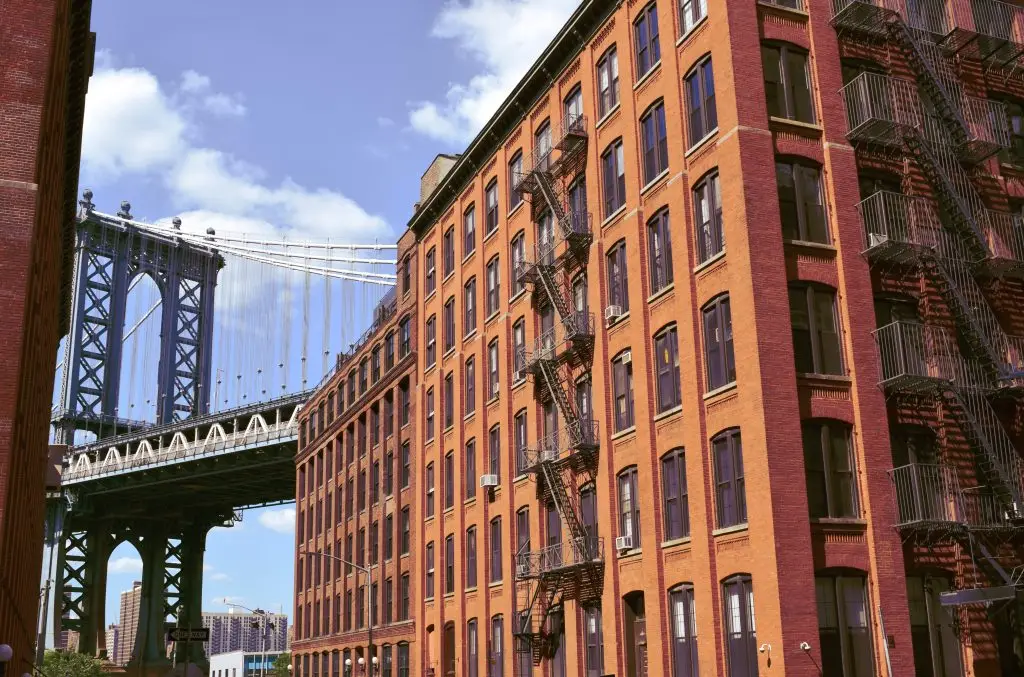
DUMBO (Down Under the Manhattan Bridge Overpass) has completed its transition from a gritty industrial warehouse district into a skyline of ultra-luxury high-rises. While the cobblestone streets remain a nod to the past, the new vertical developments some soaring over 30 stories bring a unique set of hydraulic challenges to the table. In 2026, the conversation around water quality issues in DUMBO has shifted toward the specific physics of high-rise living.
For property managers and residents of these modern landmarks, water safety is no longer just about what the city provides at the street level. It is about how water behaves as it is pumped hundreds of feet into the air, stored in massive tanks, and distributed through miles of vertical Brooklyn buildings.
The Physics of Vertical Water: Pressure and Quality
High-rise plumbing is a feat of engineering, but it creates “micro-climates” of water quality. To get water to the upper floors of a DUMBO tower, buildings use sophisticated booster pumps and rooftop storage tanks. This vertical journey introduces two primary variables:
1. Pressure Fluctuations and Scale
The high pressure required to move water vertically can be hard on internal fixtures. Conversely, as water moves through pressure-reducing valves (PRVs) to reach individual apartments, sudden changes in velocity can dislodge “scale” the mineral buildup inside pipes. This is why residents in newer towers may occasionally see “cloudy” water or sediment in their aerators, even if the building’s main intake is clear.
2. The Stagnation Paradox
Ironically, the most modern towers can be more susceptible to stagnation. Large-diameter risers are designed for 100% occupancy, but in a market where many luxury units serve as secondary residences, actual water usage can be lower than design capacity. When water sits for days in a riser, disinfectant residuals (like chlorine) drop, creating an environment where testing services often find increased microbial activity or biofilm growth.
Navigating Local Law 159 in the High-Rise Context
As of May 2026, Manhattan and Brooklyn high-rises are operating under the strictest version of Local Law 159. This mandate primarily targets cooling towers essential components of high-rise HVAC systems requiring monthly Legionella culture testing during peak operating months.
For DUMBO’s luxury towers, this law has integrated water quality into the weekly operational checklist. Building engineers are no longer just monitoring “up-time” for the AC; they are managing a complex biological ecosystem. A failure in the cooling tower’s water treatment doesn’t just risk a fine; it risks the health of the entire neighborhood, as these towers can aerosolize pathogens into the air of the densely packed waterfront.
Property managers often consult our FAQ to see how these cooling tower requirements intersect with the annual mandates for potable water storage tanks.
Industrial Conversions: The “Legacy” Plumbing Variable
Not every high-rise in DUMBO is a new glass tower. Many are industrial-to-luxury conversions. These locations present a “hybrid” plumbing challenge. While the interior of a loft may feature $10,000 designer faucets, the vertical risers or the service line connecting to the street may be original 20th-century iron or copper.
This mix of old and new can cause “galvanic corrosion,” where different metals interact to speed up the leaching of lead or copper into the water. Professional water testing is the only way to determine if a building’s “industrial charm” is impacting its current water safety.
A Data-Driven Approach to Luxury Living
In 2026, luxury is synonymous with health and wellness. DUMBO residents expect more than just a view; they expect “Filtered-at-the-Source” quality. To meet this demand, building boards are moving away from reactive repairs and toward Water Management Plans (WMPs).
A WMP for a high-rise includes:
- Sequential Sampling: Testing water at the basement, the mid-level mechanical room, and the penthouse to ensure consistency.
- Digital Monitoring: Using sensors to track temperature and flow, which helps identify the “dead legs” where stagnation occurs.
- Transparent Reporting: Providing residents with regular updates on water safety, often through a dedicated building blog or portal.
According to ASHRAE Standard 188, which governs high-rise water safety, a proactive plan is the gold standard for preventing waterborne illness. In DUMBO, this standard is becoming the baseline for building excellence.
Conclusion
The towers of DUMBO have redefined the Brooklyn skyline, and in doing so, they have redefined the complexities of urban water management. By acknowledging that high-rise conditions require a more sophisticated approach to water quality, property managers are protecting both their assets and their residents.
Vertical living requires vertical vigilance. If you are a resident or manager of a high-rise property in DUMBO and want to ensure your plumbing is meeting 2026 safety standards, contact our specialists today. We can help you navigate the unique hydraulic challenges of the waterfront and build a testing plan that reaches every floor with precision.