Living in Union Square means enjoying one of Manhattan’s most vibrant, historic neighborhoods, but it also means relying on water systems that can be just as old as the surrounding architecture. Water testing services Manhattan collect samples directly from your faucets, analyze them in a certified laboratory, and report exactly which contaminants are present and whether your water meets safety standards. In a neighborhood defined by pre-war buildings, converted lofts, and a mix of residential and commercial spaces, water quality can vary significantly from one building to the next. This article shares essential water testing tips for Union Square residents, helping you understand the local risks, know when to test, and take practical steps to keep your drinking water safe.
Why Union Square Residents Should Pay Attention to Water
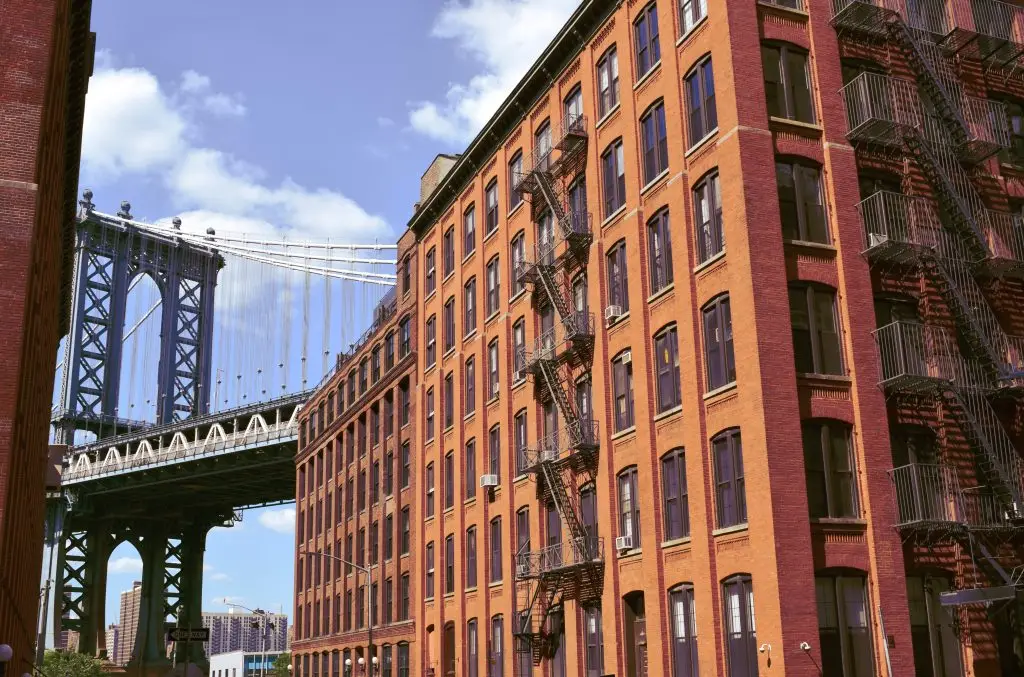
Union Square blends historic charm with modern living, and its buildings reflect that mix. Many date back decades, built when materials now known to be hazardous, such as lead pipes and lead solder, were standard. Even in renovated lofts and updated apartments, portions of the original plumbing often remain in place behind the walls.
The challenge for residents is that water systems are largely invisible. You cannot inspect the pipes inside your walls or the storage tank on the roof. Water can look and taste completely normal while carrying contaminants introduced by aging infrastructure. In a dense, historic neighborhood like Union Square, this gap between appearance and reality makes testing especially worthwhile.
Tip One: Understand Your Building’s Age and Plumbing
The single most useful piece of information is the age and history of your building’s plumbing. Older buildings carry a higher risk of lead pipes, lead solder, and corroding fixtures, all of which can affect water quality.
Take time to learn what you can about your building. If you own your unit, review any available records of plumbing work. If you rent, ask your landlord or property manager about the age of the pipes and whether any lead service lines are present. Even partial information helps you understand your risk and decide what to test for. Buildings with a history of renovations may have mixed plumbing, where new fixtures connect to older pipes, creating unexpected sources of contamination.
Tip Two: Know the Warning Signs
While the most dangerous contaminants are invisible, certain signs can point to underlying problems and signal that testing is overdue.
- Discoloration, such as brown, yellow, or rusty water, which may indicate corroding pipes
- Unusual tastes or odors, including metallic, musty, or strong chlorine smells
- Staining on sinks, tubs, or fixtures, often a sign of metals or minerals
- Cloudiness or sediment, which can indicate particles or disturbances in the system
- Changes after building work, since repairs or renovations can stir up contaminants
Treat these signs as prompts to test, but remember that their absence does not guarantee safety. The contaminants that pose the greatest health risks, especially lead, typically leave no visible trace at all.
Tip Three: Prioritize Testing for Lead
In an older neighborhood like Union Square, lead should be at the top of your testing list. Lead is invisible, tasteless, and odorless, and no level of exposure is considered safe. It commonly leaches from lead service lines, lead solder, and older brass fixtures, meaning water can be clean when it enters the building yet become contaminated inside your own plumbing.
For accurate lead detection, first-draw sampling is essential. This involves collecting water that has been sitting in the pipes for several hours, since it is the most likely to contain leached lead. This precise timing is one reason professional testing is far more reliable than casual observation or a basic home kit.
Tip Four: Test at the Right Times
Timing matters when it comes to water testing. Certain moments make testing especially worthwhile for Union Square residents.
When Moving Into a New Home
Whether buying or renting, testing when you move in establishes a clear baseline and confirms the safety of the water you will be drinking daily. This is particularly important in older buildings with unknown plumbing histories.
After Renovations or Plumbing Work
Any work on the plumbing can disturb pipes, loosen sediment, or introduce new materials. Testing afterward confirms that no new contamination has been introduced during the work.
When Welcoming Young Children
Families with infants, young children, or pregnant residents have strong reason to test, since these groups are the most vulnerable to contaminants like lead. Testing offers reassurance and protection during a critical time.
Tip Five: Choose Professional Laboratory Testing
When it comes to reliable results, professional laboratory testing is well worth it. A certified laboratory reveals exactly what is in your water and whether it is safe to drink.
Comprehensive Analysis
Professional testing examines your water across three dimensions:
- Physical analysis measures clarity, color, and dissolved solids, revealing visible warning signs
- Chemical analysis quantifies contaminants such as lead, copper, nitrates, and PFAS
- Microbiological analysis screens for bacteria, including coliform and E. coli
Accuracy Home Kits Cannot Match
Certified laboratories use advanced instruments that detect contaminants at extremely low concentrations, far beyond what any home kit can achieve. Combined with proper sampling technique, this precision delivers results you can genuinely act on, along with clear reporting that explains what the findings mean.
Tip Six: Act on Your Results
Testing is only valuable when you act on what it reveals. If results show elevated lead, solutions may include replacing affected fixtures or installing filtration certified to remove lead. Bacterial contamination may call for disinfection and follow-up testing. Even clean results are useful, confirming your water is safe and establishing a baseline for future comparison. In the meantime, simple habits help: run cold water for a short time before use when it has been sitting, and use cold water rather than hot for drinking and cooking, since hot water leaches more lead from pipes. Follow-up testing after any corrective action confirms the solution is working.
Who Should Prioritize Water Testing in Union Square?
- Residents of pre-war or older buildings, where lead and aging pipes are common
- Families with infants, young children, or pregnant residents, who face the highest risks
- Anyone noticing warning signs like discoloration, odd tastes, or staining
- Residents of buildings with rooftop or basement storage tanks
- New residents or recent renovators facing an unknown plumbing history
Because the most serious contaminants are invisible, appearance alone cannot confirm safety. Testing is the only dependable way to know what is truly in your water.
Frequently Asked Questions
Does living in a historic Union Square building mean my water is unsafe?
Not necessarily, but older buildings carry a higher risk of issues like lead and corroding pipes. Age alone neither confirms nor rules out a problem, which is precisely why testing is the only reliable way to know what is in your water.
What is the most important contaminant to test for?
In an older neighborhood like Union Square, lead is typically the top priority because of aging pipes, solder, and fixtures. Bacteria and other contaminants also matter, and a professional provider can help determine the right testing panel for your building.
Can I test my water if I rent my apartment?
Yes. Renters can arrange professional water testing for accurate, certified results. You can also ask your landlord about the plumbing’s age, document any concerns in writing, and take protective steps within your own unit.
Does running the tap before use actually help?
It can. Running cold water for a short time clears out water that has been sitting in the pipes, where it may have absorbed metals like lead. Using cold water for drinking and cooking helps too, since hot water leaches more lead.
How often should I test my water?
Most experts recommend testing at least once a year, and more frequently in older buildings, after plumbing work, or when vulnerable residents are present. Certain moments, like moving in or renovating, are also ideal times to test.
Take Control of Your Union Square Water
Union Square’s historic character is part of its appeal, but the aging water systems behind its walls deserve real attention. Lead, corroding pipes, and neglected storage tanks can all affect the water you drink every day, often without any visible warning. Following these testing tips, and acting on what you learn, is the surest way to protect your health in this iconic neighborhood. Contact Olympian Water Testing today to schedule your testing and know exactly what you are drinking.