
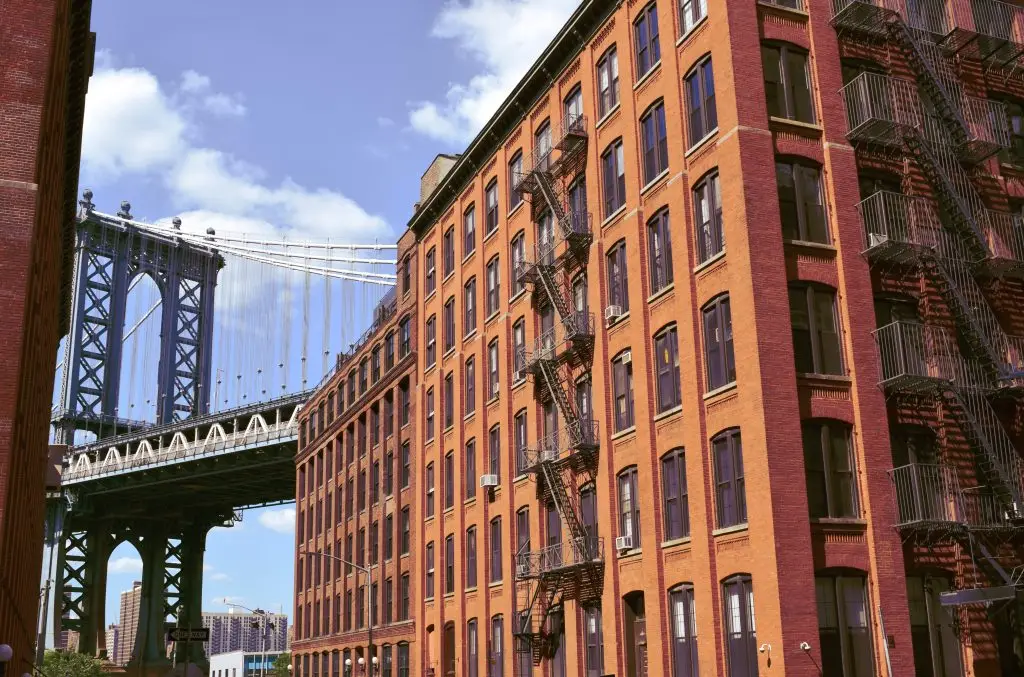
Water testing services are especially important in Sunset Park, one of Brooklyn’s most dynamic neighborhoods, where dramatic waterfront industrial hubs, a sprawling public park, and dense residential avenues create a uniquely layered built environment. On a single block, you can find late-19th-century limestone row houses, mid-century brick apartment complexes, and massive repurposed shipping terminals such as the Brooklyn Army Terminal and Industry City. This architectural diversity gives the neighborhood its character, but it also creates a serious challenge for property owners, landlords, and facility engineers who must manage plumbing systems made from different materials and maintained across different eras.
When water moves through a building that has been repaired, expanded, or retrofitted over time, its quality can change in ways that are not visible to the eye. That is why professional water testing services are so valuable: they help identify hidden concerns, assess how aging plumbing may affect water quality, and provide clear results that support smarter maintenance decisions. For Sunset Park properties, understanding these multi-era plumbing systems is the first step toward building a reliable testing strategy and protecting the safety of everyone who depends on the water.
The Layered Anatomy of a Multi-Era Plumbing System
Very few historic buildings in Sunset Park feature plumbing systems made from a single material. Over decades of occupancy, buildings settle, pipes corrode, and individual apartments undergo localized renovations. As a result, water rarely travels through a uniform network. Instead, it moves through a patchwork of materials, each leaving a distinct chemical signature on the water supply.
The Turn-of-the-Century Layer (Late 1800s to 1930s)
The oldest residential properties in Sunset Park, particularly the classic brick and stone row houses near the park, were originally built with lead service lines and galvanized iron distribution pipes. While the city has worked aggressively to replace public lead mains, many private properties still retain their original lateral service lines or contain lead-soldered joints behind old plaster walls. Galvanized iron pipes from this era pose a different issue: as they age, they rust internally, constricting water flow and releasing iron and zinc directly into the stream.
The Post-War and Mid-Century Infrastructure (1940s to 1970s)
During the mid-20th century expansion of Sunset Park’s multi-family housing stock, copper became the industry standard for vertical risers and branch piping. While copper is highly durable, the solder used to connect these pipes prior to 1986 frequently contained high concentrations of lead. Furthermore, brass faucets and valves manufactured during this era often contained up to 8% lead by weight, creating a potential source for localized heavy metal leaching right at the tap.
The Modern Retrofit Era (1980s to Present)
Modern renovations across the neighborhood’s residential units and commercial industrial spaces rely heavily on modern, lead-free brass, type-L copper, and cross-linked polyethylene (PEX) piping. While these materials are incredibly safe and resilient, connecting modern plumbing directly to vintage infrastructure can trigger unexpected chemical reactions.
[Street Main] ➔ [Legacy Lead Service Line] ➔ [Mid-Century Copper Risers] ➔ [Modern PEX/Lead-Free Tap]
       |                     |                            |                           |
  Incoming City         Heavy Metal                  Galvanic Corrosion          Point-of-Use
   Water Flow            Leaching                      Accelerates Rust          Water Discharge
Galvanic Corrosion: When Eras Collide
One of the most significant risks in a multi-era plumbing system is a chemical phenomenon known as galvanic corrosion. This occurs when two dissimilar metals—such as an old galvanized iron pipe and a newly installed copper repair line—come into direct physical contact while submerged in an electrolyte like water.
This connection creates an unintended electrical circuit. The more active metal (the iron) oxidizes and corrodes at a drastically accelerated rate, leading to rapid pipe degradation, premature pinhole leaks, and sudden spikes in particulate iron and sediment. Property managers supervising multi-unit Brooklyn buildings frequently witness the results of galvanic corrosion when tenants on lower floors complain of sudden rusty water or drops in water pressure following a localized plumbing repair elsewhere in the building.
Commercial vs. Residential Water Behavior in Sunset Park
The water quality profile of Sunset Park is further complicated by the stark contrast between its residential avenues and its massive waterfront commercial spaces. In large-scale industrial complexes, water often sits stagnant in oversized storage tanks or lengthy horizontal distribution lines during weekends or seasonal shifts.
Stagnant water allows localized water quality issues to intensify. For example, if water rests overnight inside a mid-century copper riser connected with vintage lead solder, the concentration of leached metals increases exponentially. Conversely, in dense, multi-family residential buildings, high daily water usage can stir up old iron and rust sediment settled at the bottom of aging galvanized mains, leading to sporadic turbidity issues at the tap.
| Plumbing Era | Dominant Materials | Primary Water Quality Risk | Common Symptom |
| Late 1800s – 1930s | Lead Service Lines, Galvanized Iron | Lead leaching, internal pipe constriction, zinc release. | Low water pressure, metallic taste, red/brown tint. |
| 1940s – 1970s | Copper Risers, High-Lead Brass Valves | Lead leaching from vintage solder joints and brass fixtures. | Invisible, odorless heavy metal contamination. |
| 1980s – Present | PEX, Lead-Free Brass, Modern Copper | Galvanic corrosion when connected directly to legacy metals. | Pinhole leaks, localized sediment spikes, premature valve failure. |
Designing a Targeted Water Safety Strategy
Because you cannot manage what you do not measure, building owners in Sunset Park cannot rely on generic neighborhood averages to ensure water safety. Navigating a multi-era plumbing system requires a targeted, property-specific diagnostic approach:
- Perform Address-Specific Multi-Point Sampling: Because plumbing repairs are often localized, testing water from a single basement tap will not reveal what is happening on the fourth floor. Collect samples from various points across the property to map out hidden variations in water chemistry.
- Utilize First-Draw Protocols: To accurately assess heavy metal leaching from vintage solder or brass components, samples must be collected first thing in the morning before any water has been run.
- Inspect Physical Pipe Connections: Ensure that any transition between different metals (like iron and copper) utilizes a proper dielectric union—a specialized insulating fitting designed to block the electrical current that drives galvanic corrosion.
- Implement Tailored Filtration: If a complete building repiping is cost-prohibitive, utilize your testing data to deploy targeted, point-of-use filtration systems calibrated to remove the specific contaminants identified in your lab reports.
Securing Your Property’s Future
Preserving the structural value and safety of a building in Sunset Park requires an understanding of its history—both inside and out. By identifying the different eras of plumbing hidden behind your walls, you can make informed, data-driven decisions that protect your infrastructure investment and safeguard the health of your tenants.
To find out exactly how your building’s plumbing history is affecting your daily water supply, visit Water Testing Brooklyn to schedule a comprehensive, laboratory-grade analysis tailored to your property today.